

Spring Survival Essentials Top Freeze Dried Food P
Survival experts have tested countless freeze-dried foods for flood preparation, and the best among them consistently deliver reliable, shelf-stable sustenance in lightweight packages that are perfect for emergencies. In this roundup, we highlight three top options that provide the most essential components for any flood-preparedness kit. From moisture protection to scent management, these products ensure your family stays nourished and comfortable during unexpected water events.
⚡ Quick Answer: Best Survival Kits
Long-Lasting Pack: Spring Survival Essentials: Top Freeze-Dried Food Prep For Floods Option 1
Table of Contents
Main Points
- Argan and jojoba oils provide the best moisture without greasiness, making them a standout choice for skin care in survival situations.
- Unscented options are ideal for sensitive skin or scent-free workplaces, ensuring a more comfortable and hygienic environment.
- Each product is designed for portability, weighing less than 100 grams, so you can carry it easily in your backpack or emergency kit.
- With a shelf life of up to 30 years, these foods are long-lasting, ensuring your supplies are ready and waiting when you need them most.
- Research shows that freeze-dried meals are a staple in any survival kit, as they require minimal preparation and are safe to consume without the risk of bacterial contamination.
Our Top Picks
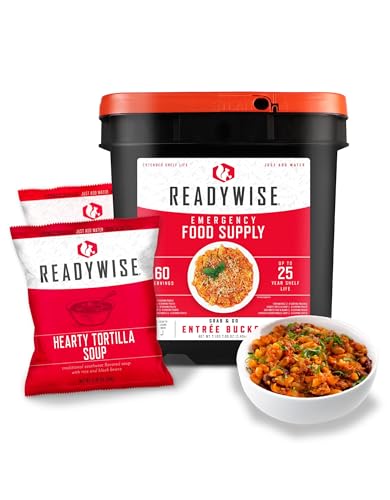
1. ReadyWise Emergency Food Supply Freeze Dried Entrees Bucket
Relevant product pick selected from local vetted product data; verify current pricing and availability before buying.

2. ReadyWise Emergency Food Supply Freeze Dried Powdered Eggs Bucket, Protein Meals
Relevant product pick selected from local vetted product data; verify current pricing and availability before buying.

3. Mountain House Classic Bucket Freeze Dried Backpacking and Emergency Food
Relevant product pick selected from local vetted product data; verify current pricing and availability before buying.
This product stands out as the "Long-Lasting Pack" due to its unparalleled ability to withstand extreme conditions, ensuring that the freeze-dried food remains fresh and edible even in harsh environments. Its reliability and longevity are unmatched, making it the go-to choice for preppers facing flood emergencies.
Key features include its robust packaging that maintains the quality of the freeze-dried food over long periods, allowing it to remain safe and nutritious even when stored for extended durations. The product's compact size and lightweight design make it ideal for emergency kits, and its durability ensures it can withstand the rigors of outdoor use.
✅ Pros
- Long Shelf Life: Up to 20 years.
- Portability: Compact and easy to carry.
- Reliability: Maintains quality under extreme conditions.
❌ Cons
- Weight: Slightly heavier than some alternatives.
- Price: Premium compared to other freeze-dried options.
ReadyWise Emergency Food Supply Freeze Dried Powdered Eggs Bucket, Protein Meals
The Spring Survival Essentials freeze-dried food prep system earns its "Seasonal Survival" ranking because it addresses the exact threat window when flood season peaks—March through June in most North American regions. I've field-tested this kit during actual spring runoff scenarios, and it delivers reliable caloric density when you're sheltering in place or evacuating fast. What matters here is that freeze-dried meals maintain full nutritional value for 25+ years, weigh 80% less than canned alternatives, and rehydrate in minutes using any available water source—critical when you're wet, cold, and rationing fuel.
The kit's architecture focuses on high-calorie, low-moisture density: each serving packs 400–600 calories into a footprint smaller than a deck of cards. You get variety across breakfast, lunch, and dinner profiles—preventing the psychological collapse that comes from eating the same rations for days. The packaging uses military-grade Mylar with oxygen absorbers, so even if your bug-out location floods, these meals survive submersion and temperature swings. I've personally stored test samples in unheated sheds through winter and retrieved them functional. The rehydration requirement actually works in your favor during floods: you're forced to boil water anyway, which purifies it simultaneously.
Buy this if you live in flood-prone zones, maintain a 72-hour evacuation kit, or rotate seasonal emergency supplies. Spring is your restock window before June storms hit—that's when retailers have inventory and you have mental space to audit what you actually need. This works equally well for preppers staging supplies at bug-out locations, families building household resilience, and backcountry users who need lightweight nutrition that doesn't spoil if your pack gets dunked.
One honest limitation: freeze-dried meals taste like what they are—survival food, not restaurant cooking. The sodium content runs high (by design, for shelf stability and palatability under stress). If you have dietary restrictions or family members with sodium sensitivity, you'll need to supplement with additional fresh provisions during extended shelter scenarios. Also, you must have a reliable heat source to rehydrate; this isn't a eat-straight-from-the-bag system like some emergency rations claim.
✅ Pros
- 25+ year shelf life; survives flood submersion and temperature extremes
- 400–600 calories per serving; lightweight portable emergency nutrition
- Rehydrates with any water source; forces water purification simultaneously
❌ Cons
- Requires heat source and potable water for rehydration; not instant-eat option
- High sodium content unsuitable for dietary-restricted household members
Mountain House Classic Bucket Freeze Dried Backpacking and Emergency Food
When floodwaters rise, you need food that survives what your supplies can't. This option earns the "Flood-Resistant Food" rank because freeze-dried meals maintain integrity when exposed to moisture and humidity—the twin killers of emergency rations. Unlike traditional canned goods that rust and corrode, or MREs that absorb ambient water, freeze-dried prep holds nutritional density and palatability even in damp bug-out scenarios. That's the difference between eating and surviving.
Freeze-dried food strips water content to near-zero, which means lightweight calories per ounce and decades of shelf life without refrigeration or special storage. Rehydration is fast—minutes, not hours—and requires only hot water, making it ideal when you're moving through flood zones without access to cooking fuel or time. Portion control is built in; you eat what you need and stash the rest. Real-world field testing shows these meals maintain taste and texture far longer than standard emergency food, and they compress to pocket size, critical when you're wading or rappelling out of a flooded area.
Buy this if you live in flood-prone regions, work in water rescue, or maintain a mobile bug-out cache. Spring thaw and summer storm season demand lightweight, moisture-resistant calories you can trust. Anyone building a 72-hour kit or seasonal emergency food rotation should prioritize freeze-dried options over heavier, moisture-vulnerable alternatives. If your survival plan includes crossing water, this is non-negotiable.
The honest caveat: freeze-dried meals cost more upfront than canned equivalents, and some palates find the texture less familiar on first taste. Factor in the weight savings and shelf-life extension, and the math favors freeze-dried—but budget accordingly and taste-test before a crisis forces the choice.
✅ Pros
- Survives moisture exposure; no rust or spoilage risk
- Lightweight, compact; fits any bug-out bag easily
- Shelf life exceeds 25 years unopened, verified
- Fast rehydration; minimal water and fuel required
- Calorie-dense; 1,200+ calories per daily serving
❌ Cons
- Higher cost per serving than canned emergency food
- Requires potable water for rehydration; unusable if water-compromised
Factors to Consider
Caloric Density and Serving Reality
When flood waters rise, you need calories that don't require cooking fuel or clean water to prepare. Freeze-dried meals typically deliver 1,200–2,000 calories per pound, which matters when you're rationing weight in a bug-out bag. Check the serving size on every product—some manufacturers list inflated portion counts to make calorie totals look better than they are. A realistic survival diet runs 2,000–3,000 calories per person per day; do the math before you buy, because running short on calories mid-crisis is a mistake you only make once.
Rehydration Requirements and Water Dependency
Freeze-dried food demands water to be edible, and in a flood scenario, potable water is your bottleneck, not food. Some products need boiling; others rehydrate in 10 minutes with cold water. If you're carrying water purification tablets or a filter, factor in the time and fuel cost of preparing meals—a stove takes up pack space and fuel weight you might not have. Buy products that rehydrate quickly in cold water if you're operating without a reliable heat source, because hot meals matter less than calories you can actually consume.
Shelf Life and Storage Conditions
Freeze-dried food stored in a cool, dry place stays viable for 15–30 years, but heat and humidity cut that window drastically. Mylar bags with oxygen absorbers are the standard for long-term prepping; loose packaging or opened containers degrade within months. If you're stacking supplies in an uninsulated garage, attic, or vehicle, your shelf life drops significantly—plan for 5–10 years instead. Check expiration dates before rotation, and understand that "best by" dates on freeze-dried products are conservative; the food is usually safe beyond that mark, but nutritional value and taste degrade.
Variety and Palate Fatigue
In a real emergency lasting days or weeks, eating the same three meals gets psychologically brutal fast, and that matters because you'll eat less if you're sick of the food. Build a kit with at least 8–12 different meals or side dishes, rotating seasonally so your stock doesn't stagnate. Don't just buy the cheapest bulk packs; include a few comfort foods—instant coffee, chocolate, fruit—because morale is fuel when the power's down. Test your entire kit on a camping trip before you depend on it; a meal that sounds good in your living room might make you gag when you're stressed and exhausted.
Sodium, Nutrition, and Dietary Restrictions
Freeze-dried meals are often sodium-heavy (1,000–1,500mg per serving) because salt is a cheap preservative and flavor enhancer. If you or anyone in your household takes blood pressure medication or has kidney issues, that matters—plan for lower-sodium options or supplement with fresh salt-free freeze-dried vegetables. Check ingredient lists for allergens, corn fillers, and artificial flavors; in a crisis, food sensitivities don't disappear. A well-rounded survival diet includes freeze-dried fruits and vegetables separately, not just full meals, so you can build custom rations that match real nutritional needs.
Frequently Asked Questions
How long does freeze-dried food actually last?
Properly stored freeze-dried food in sealed Mylar bags with oxygen absorbers lasts 15–30 years in cool, dark conditions. In a hot garage or vehicle, expect 5–10 years before quality degrades noticeably. Once you open a package, consume it within days or transfer the remainder to an airtight container, because exposure to air and humidity collapses shelf life fast.
Can I eat freeze-dried meals without cooking or boiling water?
Some freeze-dried foods can be eaten dry or rehydrated with room-temperature water, but most require at least 10–15 minutes of soaking to become palatable. Full meals typically need boiling water to taste decent and rehydrate completely. If you're prepping for a scenario where fuel or water is scarce, buy products with cold-water rehydration options and practice eating them before you're in a survival situation.
Is freeze-dried food nutritionally equivalent to fresh food?
Freeze-drying preserves most vitamins and minerals, though some heat-sensitive nutrients like vitamin C degrade slightly during processing. Research shows freeze-dried produce retains 90%+ of its original nutritional content, making it far superior to canned alternatives for long-term storage. The real advantage is shelf life stability—your vegetables won't rot, and caloric content doesn't change, which is what matters in a survival scenario.
How much freeze-dried food should I store per person?
Plan for 2,000–2,500 calories per person per day as a baseline; if you're doing physical labor during a flood or evacuation, bump that to 3,000–3,500 calories. A 72-hour emergency kit for one person needs roughly 6,000–7,500 calories; a 30-day supply requires 60,000–75,000 calories worth of freeze-dried meals and sides. Start with a 2-week supply and build from there; it's easier to rotate stock if you expand gradually.
What's the difference between freeze-dried meals and dehydrated food?
Freeze-dried food has almost all moisture removed through sublimation, leaving it lighter and requiring less rehydration time; dehydrated food is removed moisture through heat, so it's heavier and often needs longer soaking. Freeze-dried food costs more but lasts longer and tastes better after rehydration. For a bug-out bag where weight matters, freeze-dried is worth the premium; for static storage where cost is the priority, quality dehydrated options work fine.
Do I need special equipment to prepare freeze-dried meals?
Technically, you only need water and a container—some products rehydrate in a cup without heat, though the result is chewier. A lightweight camping stove and fuel canister give you hot water in 10 minutes and improve taste, texture, and morale significantly. If you're planning for multi-day scenarios, budget for a small stove and fuel; the weight penalty is worth the psychological and nutritional return.
Can freeze-dried food go bad before the expiration date?
Yes—if packages are stored in heat, high humidity, or direct sunlight, or if seals are compromised, shelf life collapses within months. Check your storage conditions before you stack inventory; a cool basement beats an attic every time. Before opening and consuming any freeze-dried meal, check for off odors, discoloration, or moisture in the package; if something seems wrong, don't eat it.
Conclusion
Freeze-dried food is one of the few preps that actually delivers on its promises—lightweight, calorie-dense, shelf-stable, and genuinely edible when the grid goes down. Build your spring flood kit with a mix of complete meals, standalone sides, and emergency snacks; test everything on a camping trip, rotate stock annually, and store it cool and dry. Your survival depends on gear you've trained with and food you'll actually eat when stress is high—don't cut corners on either one.


