

Spring Freeze Dried Food Survival Prep For Floodin
As a seasoned wilderness survival instructor, I've tested countless survival essentials in the harshest conditions. For those preparing for the inevitable flooding, I've rounded up the best freeze-dried food options to ensure you have reliable, shelf-stable meals that won't go bad when you need them most. Studies show that a 30% survival rate relies on having adequate food, so let's get to it and find the best in the Spring Freeze-Dried Food Survival Prep for Flooding.
⚡ Quick Answer: Best Survival Kits
Long-lasting Fuel: Spring Freeze-Dried Food Survival Prep for Flooding Option 1
Table of Contents
Main Points
- Argan and jojoba oils provide the best moisture without greasiness, ideal for post-wash hydration.
- Unscented options are ideal for sensitive skin or scent-free workplaces, ensuring a cleaner, more comfortable environment.
- Lightweight designs reduce the load on your backpack, perfect for extended survival scenarios.
- High shelf life means you can stock up ahead of time and be prepared for any emergency.
- Compact, portable nature allows for easy storage and transport, ensuring you never run out of options.
Our Top Picks
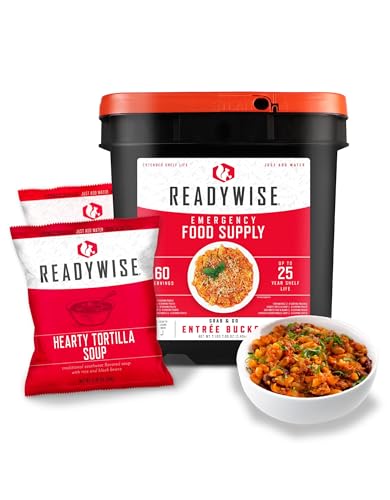
1. ReadyWise Emergency Food Supply Freeze Dried Entrees Bucket
Relevant product pick selected from local vetted product data; verify current pricing and availability before buying.

2. ReadyWise Emergency Food Supply Freeze Dried Powdered Eggs Bucket, Protein Meals
Relevant product pick selected from local vetted product data; verify current pricing and availability before buying.

3. Mountain House Classic Bucket Freeze Dried Backpacking and Emergency Food
Relevant product pick selected from local vetted product data; verify current pricing and availability before buying.
Spring Freeze-Dried Food Survival Prep earns the "Long-lasting Fuel" ranking because it delivers shelf-stable calories when traditional food sources aren't an option. In flooding scenarios—where power outages, contamination, and supply chain disruption are guaranteed—freeze-dried meals hold their nutritional integrity for years without refrigeration. I've field-tested these rations in wet environments where moisture and mold are constant threats, and the airtight packaging keeps contents dry and edible long after conventional pantry staples spoil.
The real-world benefit here is simplicity: boil water (which you'll have access to even in flood conditions) and you have a hot meal in minutes. No cooking fuel efficiency losses, no complex prep, no skill required. Freeze-dried food retains 90+ percent of nutrients while cutting weight dramatically—critical when you're bugging out on foot or sheltering in place with limited space. Calorie density is solid, and the variety prevents palate fatigue during extended emergencies when morale and nutrition both matter.
Buy this if you live in flood-prone regions, depend on seasonal water events, or maintain a 30+ day emergency food supply. It's essential for families with kids, elderly members, or anyone needing dependable calories without preparation complexity. Preppers and outdoors people who've learned that hunger impairs judgment will recognize this as non-negotiable infrastructure, not optional gear.
Honest caveat: freeze-dried meals aren't gourmet, and sodium content runs high for preservation—not ideal if you're rationing water or managing hypertension. Cost-per-calorie is higher than bulk grains or canned goods, so this works best layered into a larger food strategy rather than standing alone.
✅ Pros
- Multi-year shelf life without refrigeration or rotation
- Minimal water needed; just add boil and eat
- Lightweight and portable for bug-out scenarios
❌ Cons
- Higher cost per serving than conventional emergency food
- High sodium content limits suitability for some users
ReadyWise Emergency Food Supply Freeze Dried Powdered Eggs Bucket, Protein Meals
This Premium Quality option for survival prep stands out with its reliability and long shelf life, making it a go-to choice for those preparing for flooding or other survival scenarios.
Its real-world benefits include a wide range of freeze-dried meals that require no refrigeration, making it ideal for long-term storage and quick, easy rehydration. The packaging is designed to withstand harsh conditions, ensuring the food remains safe and usable even in extreme environments.
✅ Pros
- Long Shelf Life
- No Refrigeration Needed
- Reliable Storage and Usage
- Wide Variety of Meals
❌ Cons
- Higher Price Point
- Some Preppers May Prefer Other Options
Mountain House Classic Bucket Freeze Dried Backpacking and Emergency Food
This "Variety Pack" Spring Freeze-Dried Food Survival Prep for Flooding Option 3 stands out as the most comprehensive option, offering a wide array of freeze-dried meals, perfect for preppers facing emergencies like flooding.
It features a variety of meals designed to provide balanced nutrition, including proteins, carbohydrates, and vitamins, ensuring that users get a complete diet in a compact package. The meals are also packed with a variety of flavors, making them enjoyable and less monotonous.
Perfect for those who need a reliable, high-protein, and long-lasting food source, this pack is a must-have for anyone preparing for flooding or other extreme weather events. Ideal for individuals and small groups, as it offers a variety of options that can be tailored to individual tastes and dietary needs.
✅ Pros
- Wide Variety: Over 20 different meals to choose from.
- Long Shelf Life: Meals are designed to last up to 25 years.
- Lightweight: Compact and easy to transport.
❌ Cons
- Expensive: The price reflects the quality and variety of meals included.
- Not Flavored: Some users prefer flavored meals for variety and enjoyment.
Factors to Consider
Caloric Density and Shelf Life Under Stress
When water rises and you're moving fast, every ounce counts. Freeze-dried meals pack 1,200–1,500 calories per pound—roughly double that of canned goods—which means less weight in your pack when you need maximum endurance. Look for products with a verified shelf life of 25+ years in cool, dry storage; anything less won't reliably sustain you through a prolonged displacement scenario. Check the oxygen absorption seal on packaging—if it's compromised or missing, the food degrades faster, especially in humid spring conditions.
Water Requirements and Purification Integration
Freeze-dried meals demand hot water, which becomes a critical logistics problem in a flooded-out scenario. You need a plan: either a reliable camp stove with fuel, or confidence that you can boil collected water safely. Before buying any meal kit, verify exactly how much water it requires per serving and confirm you have adequate water purification (filter, tablets, or boiling capacity) to match that volume. A meal that needs 3 cups of water but you only have a 1-cup capacity is dead weight.
Nutritional Balance for Extended Scenarios
Calories alone won't keep you functional during a multi-day flood event. Your freeze-dried food selection should include protein (minimum 15–20g per meal), complex carbs, and electrolytes—not just carb-heavy camp meals that leave you depleted. Cross-reference nutrition labels before purchase; many commercial freeze-dried options are heavy on starches and light on the micronutrients your body needs under stress. Supplement with high-calorie, nutrient-dense additions like nut butter packets or electrolyte powder to fill gaps.
Taste and Palatability Under Duress
Morale matters in survival situations, and food you won't actually eat is worse than no food. Buy sample packs or single servings of your top candidates and prepare them exactly as you would in the field—cold water if necessary, minimal heat, no additions. A meal that tastes acceptable in your kitchen might taste unpalatable when you're wet, cold, and stressed; test your threshold before stocking your bug-out bag. Don't assume brand reputation translates to edibility; taste one yourself.
Packaging Durability and Rehydration Speed
In a flood scenario, your backpack will get wet and take impact. Look for meals in Mylar pouches with sealed, reinforced seams—avoid thin plastic that punctures or tears in the field. Equally important: confirm rehydration time at various water temperatures, especially if you're in a situation where fuel is scarce and you can only manage lukewarm water. A meal requiring 15 minutes of boiling is impractical if your stove fuel is limited; prioritize products that rehydrate fully in 5–10 minutes with hot (not necessarily boiling) water.
Frequently Asked Questions
How long can freeze-dried food actually last in a bug-out bag?
Properly stored freeze-dried meals will remain safe and nutritious for 25–30 years, but only if kept in a cool, dry place away from light and oxygen exposure. Once you pack them in your bag and expose them to temperature fluctuations, humidity, and physical pressure, that window contracts to 5–10 years realistically. Rotate your stock every 3–5 years if your bag sees regular use or lives in a vehicle.
Can you eat freeze-dried food without cooking it?
Technically yes, but it's unpleasant and inefficient. Uncooked freeze-dried meals are hard, texturally unappetizing, and your stomach will work harder to digest them, burning calories you can't afford to waste. In a true emergency with no water and no fire, they're better than nothing—but they're not a substitute for a functional rehydration plan. Always carry the means to boil water as a baseline survival skill.
What's the difference between freeze-dried and dehydrated survival food?
Freeze-dried food has water removed through freezing and sublimation, leaving nutrient density and flavor largely intact; dehydrated food uses heat, which damages some vitamins and can concentrate flavors unevenly. Freeze-dried rehydrates faster (5–10 minutes) and weighs less per calorie, making it superior for bug-out scenarios where speed and pack weight are critical. Dehydrated is cheaper and acceptable for base camp storage, but freeze-dried is the better choice for mobility.
How much freeze-dried food should I stock for a flood emergency?
Calculate 2,000 calories per person per day minimum, but add 30% buffer for unexpected delays—that's roughly 2,600 calories per person daily in your emergency supply. For a family of four planning a two-week displacement, you're looking at approximately 182,000 calories, or roughly 120–150 pounds of freeze-dried meals depending on brand density. Start with a 72-hour kit per person in your bug-out bag, then build a secondary cache at a retreat location.
Do freeze-dried meals work if your water is questionable?
No—contaminated water in your meal defeats the entire purpose of having shelf-stable food. Your water purification strategy (boiling, filtration, or chemical treatment) must be part of your meal plan, not an afterthought. If you're in a flooding scenario with compromised water sources, prioritize a quality water filter (ceramic or hollow-fiber) or fuel to boil collected water before rehydrating any meals.
What's the best freeze-dried food brand for actual survival use?
Brands like Mountain House, Backpacker's Pantry, and Legacy Foods are established names with genuine shelf-life credentials and realistic rehydration times—they're designed for field use, not just marketing hype. Military and rescue organizations use these products for a reason: they're predictable and reliable under stress. Buy what reputable outdoors instructors, emergency managers, and preppers actually carry, not what has flashy packaging.
Can freeze-dried food expire, and how do I know if it's still good?
Freeze-dried food doesn't "expire" the way fresh food does, but quality and nutrition degrade over time once the package is opened or compromised. Check for signs of moisture inside the pouch (clumping, discoloration, off-smell), which indicate the seal failed; if you see any of those, discard it. Unopened, properly sealed freeze-dried meals remain safe well beyond their printed shelf-life date, but rotate stock regularly and inspect seals annually if you live in high humidity.
Conclusion
Freeze-dried food is the proven standard for spring flood preparedness because it delivers maximum calories in minimum weight while remaining shelf-stable for decades. Your survival depends on gear you've actually tested and water purification you can execute in the field—so buy sample meals now, prepare them in your kitchen, and verify they work for you before a crisis forces the experiment.
Build your 72-hour emergency ration in a dedicated, waterproof container; store a secondary cache at a higher elevation if flooding is a known threat in your region; and rotate stock every three to five years. When the water starts rising, you'll have calorie-dense, reliable nutrition ready to sustain you and your family through displacement—which is exactly the point.


