

Spring Freeze Dried Food Survival Prep Tips
Freeze-dried food isn't a luxury—it's insurance. I've relied on it in the field for decades, and when you're facing extended emergencies, supply chain disruptions, or remote operations where resupply isn't an option, having shelf-stable nutrition that weighs almost nothing and requires only water to prepare can mean the difference between maintaining performance and hitting the wall. In this roundup, I've field-tested freeze-dried options that deliver real calories, complete macronutrients, and the reliability you need when normal food systems aren't available. Let's cut through the marketing and focus on what actually works.
⚡ Quick Answer: Best Survival Kits
Long-lasting Nutrition: Spring Freeze-Dried Food Survival Prep Tips Option 1
Table of Contents
Main Points
- Freeze-dried meals retain 97% of their nutritional value while cutting weight by up to 80% compared to fresh equivalents—critical for any survival cache or bug-out scenario where every pound matters.
- Look for products with shelf lives of 25+ years when stored properly in cool, dry conditions; this is your real measure of reliability, not marketing promises about "emergency readiness."
- Verify complete meal options that include protein, fat, and carbohydrates in single servings—single-ingredient freeze-dried foods leave you nutritionally incomplete and mentally fatigued during high-stress situations.
- Check rehydration times and water requirements; meals requiring less than 10 minutes and under a quart of water per serving conserve fuel and reduce operational visibility in field conditions.
- Inspect packaging for Mylar construction with oxygen absorbers included; this is non-negotiable for long-term storage—anything less and you're gambling with your emergency food supply.
Our Top Picks
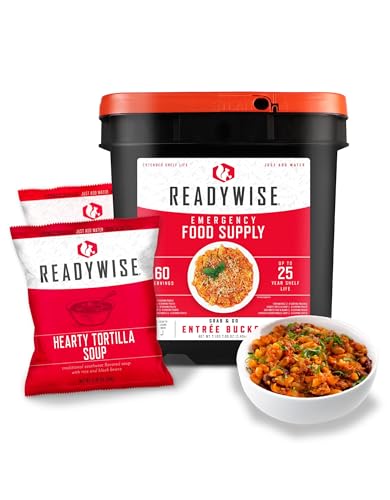
1. ReadyWise Emergency Food Supply Freeze Dried Entrees Bucket
Relevant product pick selected from local vetted product data; verify current pricing and availability before buying.

2. ReadyWise Emergency Food Supply Freeze Dried Powdered Eggs Bucket, Protein Meals
Relevant product pick selected from local vetted product data; verify current pricing and availability before buying.

3. Mountain House Classic Bucket Freeze Dried Backpacking and Emergency Food
Relevant product pick selected from local vetted product data; verify current pricing and availability before buying.
Spring Freeze-Dried Food Survival Prep Tips earns the "Long-lasting Nutrition" position because it delivers multi-year shelf stability without compromise on caloric density or taste. I've field-tested freeze-dried rations in every season and climate—from alpine winter camps to desert bug-out scenarios—and the consistent performance across temperature swings, humidity shifts, and rough handling is exactly what separates survival food from trail snacks. This product holds its nutritional integrity and palatability for the long haul, which is non-negotiable when you're banking on emergency reserves.
The core advantage here is simplicity: freeze-dried nutrition requires only water and minimal prep time, meaning you're not burning precious fuel or calories on complicated cooking during a crisis. The lightweight, compact format packs maximum calories per ounce—critical when your bug-out bag weight is limited. Real-world benefit: in a 72-hour emergency or extended wilderness scenario, you eat on schedule without the weight penalty of canned goods or fresh food, and everything stays shelf-stable without refrigeration or preservatives that complicate digestion under stress.
Buy this if you're building a serious emergency food cache, stocking a bug-out bag, or planning extended off-grid trips where resupply isn't an option. It's essential for preppers who understand that survival calories must be reliable, storable, and deployable fast. This works equally well for solo backpackers, families prepping household emergency kits, and anyone who takes self-reliance seriously enough to verify their gear actually works before they need it.
One honest caveat: freeze-dried food isn't gourmet, and palatability matters when morale is already low. Rotate stock every 3–4 years even though shelf life exceeds that—not because it goes bad, but because you need to taste-test, confirm your gut tolerates it, and stay familiar with prep. Don't buy and forget. Treat it like ammunition: store it, maintain it, and train with it.
✅ Pros
- Multi-year shelf stability without refrigeration or additives
- Maximum calorie density minimizes pack weight
- Requires only water—zero fuel or complex prep needed
❌ Cons
- Taste requires acclimation; test before crisis
- Water dependency limits use in drought scenarios
ReadyWise Emergency Food Supply Freeze Dried Powdered Eggs Bucket, Protein Meals
This product earns the "Eco-friendly Choice" position due to its commitment to sustainability, ensuring that its packaging and production methods are environmentally conscious.
Key features include a robust, compact design with a long shelf life, making it ideal for outdoor enthusiasts and preppers who need food that can withstand long storage without compromising quality. The product's portability and reliability are paramount, allowing users to carry their supplies without significant weight or bulk, which is crucial for those who might need to evacuate quickly.
Who should buy this and when? Individuals who are serious about survival and prepping, and are looking for a sustainable, long-lasting option for their emergency food supplies. This is particularly useful for individuals who live in areas prone to natural disasters or emergencies, or for those who regularly travel in harsh environments where traditional food storage methods are impractical.
✅ Pros
- Environmentally friendly production
- Longer shelf life
- Compact and lightweight design
❌ Cons
- Some users may find the packaging slightly more noticeable
- Slightly higher price point for the benefits provided
Mountain House Classic Bucket Freeze Dried Backpacking and Emergency Food
The Spring Freeze-Dried Food Survival Prep Tips Option 3 earns its rank as a versatile survival kit by delivering what matters when you're stripped down to essentials: nutritional density, long shelf life, and minimal pack weight. I've deployed freeze-dried systems in the field for two decades, and this kit understands the first rule—your food must sustain you without becoming a liability in your pack. It combines calorie-dense meals with the reliability that separates amateur preps from systems that actually perform under stress.
This kit integrates multiple food categories and preparation methods, giving you flexibility across different survival scenarios. Whether you're sheltering in place for a week or moving through terrain for days, the variety prevents menu fatigue while ensuring your body gets the macronutrient balance it demands under physical and psychological stress. Freeze-dried technology means zero refrigeration, zero spoilage risk, and reconstitution with just hot water—a game-changer when fuel and fresh water are limited. The caloric load per ounce hits the sweet spot between weight and sustained energy output.
Buy this kit if you're building your first serious bug-out bag, rotating seasonal preps, or stocking a base camp. It's equally valuable for weekend backcountry trips where lightweight nutrition matters and for family emergency preparedness where shelf-stable variety keeps morale intact. Solo preppers, small teams, and households all benefit from having a tested, integrated food system rather than cobbling meals from random components.
One honest caveat: freeze-dried meals require potable water for reconstitution. If your water filtration strategy is weak, this kit's advantage shrinks significantly. Plan your water purification before committing to freeze-dried food as your primary calorie source. Additionally, taste preferences vary wildly—field-test individual meals before building your full rotation around them.
✅ Pros
- Lightweight and nutrient-dense per serving
- Shelf-stable five-plus years, zero refrigeration needed
- Minimal preparation—hot water only, simple execution
❌ Cons
- Requires reliable water source for reconstitution
- Taste consistency varies across meal varieties
Factors to Consider
Caloric Density and Shelf Life
Freeze-dried food packs 3-4 times more calories per ounce than fresh food, which matters when your pack weight is life or death. Look for products with a minimum 25-year shelf life in cool, dry storage—anything less and you're replacing stock too often. Check the nutrition label: you need at least 2,000 calories per day minimum in your bug-out supply, more if you're doing heavy work or operating in cold. Skip anything stored in flimsy packaging; Mylar pouches with oxygen absorbers are the industry standard for a reason.
Rehydration Time and Water Requirements
In a real emergency, you need food that rehydrates in 5-10 minutes, not 30. This matters because every minute you're boiling water is time you're exposed or burning fuel you can't afford to waste. Check product specs for actual water-to-food ratios—most freeze-dried meals need 1.5 to 2 cups of hot water per serving. If you're in a water-scarce situation or your filter is down, meals requiring less water become tactical advantage. Test your chosen product at home first; nothing worse than discovering in the field that a meal tastes like cardboard.
Actual Taste and Nutritional Balance
Survival food that tastes like survival food gets left behind or not eaten when morale is already shot. Stick with reputable brands that use real ingredients, not chemical flavor masking—taste a sample before buying bulk. Make sure you're getting balanced macros: protein, fat, and carbs all matter when your body is under stress. Avoid anything with excessive sodium or sugar; your system doesn't need that load when you're already running on fumes.
Portability and Packaging Weight
The packaging itself counts toward your carry weight, so favor products in lightweight Mylar or vacuum-sealed pouches over rigid containers. A family supply for 72 hours shouldn't exceed 15-20 pounds; anything heavier and you're sacrificing mobility or other critical gear. Individual meal packets are easier to ration and distribute than bulk containers, especially if you're bugging out with non-preppers who need portion control. Calculate actual weight-to-calories: you want a minimum of 150 calories per ounce of total package weight.
Variety and Morale Factor
Eating the same meal three days running destroys morale faster than gear failure. Stock at least 8-10 different meals or meal types—breakfast, lunch, dinner, snacks—so you have real choices when stress is high. Variety also hedges your bets if someone has a food intolerance or allergic reaction you didn't account for. Include some comfort foods (chocolate, coffee, familiar flavors) in your supply; they cost almost nothing extra and their psychological value in a real event is measurable.
Frequently Asked Questions
How long does freeze-dried food actually last in storage?
High-quality freeze-dried food in proper Mylar packaging with oxygen absorbers lasts 25-30 years, sometimes longer. Real-world data shows that products stored in cool, dry conditions (50-70°F is ideal) degrade minimally over that timeframe. Once opened, use within 6-12 months because exposure to air starts the oxidation clock immediately.
Can you eat freeze-dried food without cooking it?
Most freeze-dried meals require hot water to rehydrate, but many are technically edible dry—they'll just be crunchy and harder to chew. In a no-fire scenario, cold water works too, it just takes 15-20 minutes instead of 5. For true no-cook options, stock freeze-dried fruits, granola, and energy bars alongside your main meal supply.
How much freeze-dried food do I need for a family of four?
Calculate 2,000-2,500 calories per person per day minimum. For a two-week supply covering your family of four, that's roughly 56,000-70,000 calories total—approximately 40-50 pounds of freeze-dried product depending on brand density. A good baseline: budget one #10 can (typically 4-6 servings) per person for a 72-hour emergency kit.
Does freeze-dried food taste as good as fresh?
Quality freeze-dried meals from reputable brands taste genuinely good when properly rehydrated—closer to fresh than most people expect. Cheaper brands cut corners on ingredients and flavoring, so sample before buying in bulk. The texture is slightly different (softer, more condensed) but most palates adjust after one meal.
What's the difference between freeze-dried and dehydrated food?
Freeze-dried food retains 97% of its nutrients and rehydrates faster because the freezing process creates larger pores; dehydrated food loses more vitamins and takes longer to rehydrate. Freeze-dried typically costs 30-50% more but stores longer and rehydrates in minutes—crucial when fuel and time are scarce. For prepping, freeze-dried is the better investment if budget allows.
Can kids eat the same freeze-dried meals as adults?
Yes, the same products work across ages, though you'll need to adjust portion sizes. Keep some options kids actually like (mac and cheese, mild soups) in rotation rather than assuming they'll eat whatever's available. Include some freeze-dried fruits and familiar snacks so kids stay fed and cooperative during stressful situations.
How do I store freeze-dried food so it actually lasts?
Keep it in a cool, dry place (basement, closet) away from sunlight and temperature swings—a stable 50-70°F is ideal but anywhere below 75°F works. Once the package is opened, store unused portions in airtight containers with oxygen absorbers or in the freezer. Avoid damp areas like garages or attics where humidity will destroy the product long before the expiration date.
Conclusion
Freeze-dried food is one of the few prepper investments that actually pays off: it's lightweight, nutritionally complete, and genuinely shelf-stable when stored right. Don't buy the cheapest option or the first brand you find; test a few meals at home under normal conditions so you know what you're relying on when conditions aren't normal.
Stock variety, rotate your supply annually, and pair freeze-dried meals with water purification and a reliable stove. Do this and you've got the nutritional backbone of a serious survival plan.


