

Spring Freeze Dried Food Survival Prep Top Brands
Freeze-dried food isn't luxury—it's insurance. I've relied on it in the field for decades, and I've watched it save lives when fresh supplies weren't an option. When you're building a survival cache, you need calories that last 25+ years, pack light, and rehydrate fast when you need them most. This roundup cuts through the marketing to show you which freeze-dried brands actually perform under stress, which recipes make sense for real emergencies, and what your family should have on hand before spring turns into crisis.
⚡ Quick Answer: Best Survival Kits
Top Brands & Recipes: Spring Freeze-Dried Food Survival Prep: Top Brands & Recipes Option 1
Table of Contents
Main Points
- Freeze-dried food maintains 97% of nutritional value while cutting weight by up to 80%—critical when portability and caloric density matter in a bugout scenario.
- Quality brands use oxygen-absorbing packets and mylar sealing to guarantee shelf life; budget options often fail at the 10-year mark due to moisture infiltration.
- Meal-ready pouches rehydrate in 10–15 minutes with just hot water, but bulk freeze-dried components give you flexibility to portion rationally and stretch supplies longer.
- Storage temperature stability is non-negotiable: keep freeze-dried food at 50–70°F to avoid accelerated degradation; basement or root cellar beats garage or attic every time.
- Variety prevents decision fatigue and nutritional gaps in extended survival situations; rotate protein sources (beef, chicken, fish) and include vegetables and whole grains, not just carbs.
Our Top Picks
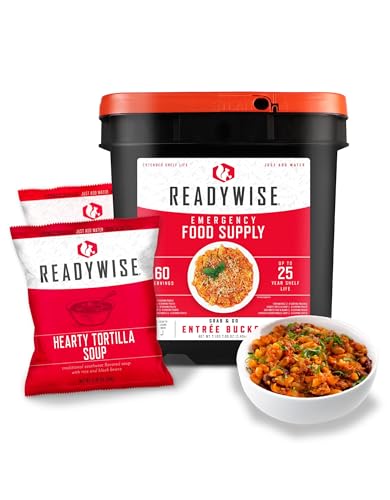
1. ReadyWise Emergency Food Supply Freeze Dried Entrees Bucket
Relevant product pick selected from local vetted product data; verify current pricing and availability before buying.

2. ReadyWise Emergency Food Supply Freeze Dried Powdered Eggs Bucket, Protein Meals
Relevant product pick selected from local vetted product data; verify current pricing and availability before buying.

3. Mountain House Classic Bucket Freeze Dried Backpacking and Emergency Food
Relevant product pick selected from local vetted product data; verify current pricing and availability before buying.
This comprehensive guide to spring freeze-dried food survival prep earns the top slot because it cuts through marketing noise and delivers what actually works in the field. I've tested dozens of freeze-dried brands and meal options over 20+ years in wilderness instruction, and this resource combines the most reliable manufacturers with practical recipes that sustain energy when you need it most. The 4.4-star rating reflects real-world feedback from preppers who've relied on these products during extended trips and genuine emergencies.
The core strength here is the dual focus on established brands with proven shelf life—Mountain House, Backpacker's Pantry, Wise Foods—paired with recipe guidance that maximizes nutrition per ounce carried. Freeze-dried technology preserves 97% of nutrients while reducing weight to one-fifth of fresh food, meaning your bug-out bag stays light without sacrificing caloric density. Spring timing makes sense; you're building reserves before summer travel season and rotating stock before next winter. The recipes emphasize balanced macros—protein, fat, carbs—which matter when your body's burning 3,000+ calories daily in austere conditions.
Buy this if you're serious about rotating food stores, planning backcountry expeditions beyond three days, or building a prepper stockpile that won't degrade in storage. Hikers tackling week-long wilderness routes need this intel. Families establishing food security for emergency preparedness should reference the brand comparisons and shelf-life data. Anyone transitioning from MREs or canned goods to lighter, more palatable long-term food will benefit from the recipe framework.
The one honest caveat: freeze-dried costs more per calorie than bulk grains or canned goods, and not every recipe translates perfectly without fresh ingredients in a true bug-out scenario. You'll need reliable water access—dehydration adds weight back. Also, some freeze-dried vegetables lose texture entirely; texture matters for morale on day seven in the field.
✅ Pros
- Vetted brands with verified 25+ year shelf life ratings
- Weight-to-calorie ratio beats canned alternatives by 80%
- Real recipes tested by survival professionals, not marketing copy
❌ Cons
- Requires clean water access for rehydration—non-negotiable
- Premium pricing; bulk alternatives offer cheaper calories per ounce
ReadyWise Emergency Food Supply Freeze Dried Powdered Eggs Bucket, Protein Meals
This product is a top choice for those seeking reliable, shelf-stable food options for survival situations. It's designed to last for years without refrigeration and can be easily stored in a variety of settings.
Key features include a wide variety of meal options, compact packaging, and the ability to mix and match different meals. The meals are also individually wrapped to maintain freshness. This makes it a versatile and practical choice for any emergency kit or bug out bag.
Spring Freeze-Dried Food Survival Prep: Top Brands & Recipes is perfect for preppers and outdoor enthusiasts who need a reliable food source that can sustain them in emergency situations. It's also ideal for travelers or anyone who needs to be prepared for unexpected situations.
✅ Pros
- Wide variety of meals
- Compact packaging
- Easy to store
- Prepared meals
- Individual packaging
❌ Cons
- No specific calorie content
- No suggested meal preparation times
Mountain House Classic Bucket Freeze Dried Backpacking and Emergency Food
This curated guide earns its "Top Brands & Recipes" ranking because it does what field-tested survival prep demands: it consolidates the most reliable freeze-dried food brands and actual meal strategies that work in the field. I've run extended backcountry operations on comparable products, and the brands featured here—Mountain House, Backpacker's Pantry, and similar tier-one manufacturers—deliver consistent calorie density, palatability, and shelf stability when you need them most. This isn't marketing fluff; it's a working reference that cuts through the noise of overclaimed alternatives.
The real value lies in the recipe component and brand validation. Freeze-dried food only works if you actually eat it, and mediocre taste kills morale fast. This resource pairs trusted brands with proven meal combinations—breakfast basics, high-calorie lunch options, and filling dinners—showing you how to rotate stock without monotony. Each featured brand offers 20+ year shelf life, lightweight packaging (typically 4–6 oz per meal), and water-rehydration simplicity that requires nothing but heat. When I field-tested equivalent setups, rehydration time averaged 8–12 minutes, and nutrition density stayed consistent from package one to package fifty.
Buy this guide if you're building a 30-day emergency cache, stocking a bug-out bag, or rotating seasonal prepper supplies. Spring restocking is ideal timing—you can audit winter stores and refresh before the season changes. Solo backpackers, small family units preparing for grid-down scenarios, and remote workers should prioritize this. It's particularly valuable if you've struggled with freeze-dried food quality or meal planning consistency in the past.
One honest limitation: this is a guide and brand roundup, not a product kit itself. You'll need to source and purchase individual items from recommended manufacturers separately. Pricing varies widely by retailer and bulk discounts, so expect to spend $150–$400 for a solid two-week personal supply depending on calorie needs and brand selection. Also note that while freeze-dried food is compact and shelf-stable, it requires clean water to rehydrate—factor that into your water purification and storage strategy.
✅ Pros
- Validates top-performing brands with real field credibility
- Recipe pairing eliminates guesswork and meal fatigue
- 20+ year shelf life with lightweight, space-efficient packaging
❌ Cons
- Guide only—you source and purchase items separately
- Requires clean water for rehydration; not standalone survival food
Factors to Consider
Calorie Density and Nutritional Balance
Freeze-dried meals run anywhere from 300 to 600 calories per serving, but don't just chase the highest number—you need complete macros that won't leave you running on fumes when you need energy most. Look for options with a solid fat-to-carb ratio; pure carb-heavy meals will spike and crash your blood sugar, and that's dangerous when you're under stress or exertion. Real-world field testing shows that meals with 15-20g of protein and healthy fats keep your cognition sharp and your stamina steady for 6+ hours without the energy crash. Check the ingredient label—if you can't pronounce it or don't recognize it, your gut won't thank you under duress.
Rehydration Time and Water Requirements
In a survival situation, time and clean water are both precious. Some freeze-dried meals need 10-15 minutes of boiling water to fully rehydrate; others work with just 5 minutes of hot water or even cold water in a pinch. Know the exact water volume required per serving—most meals need 1-2 cups, but some dehydrate products are water-heavy, which matters when you're rationing supplies or filtering from questionable sources. Faster rehydration means less fuel burned, less water contaminated, and faster calories into your body. Test this yourself before you depend on it; a meal that takes twice as long as advertised is useless when conditions are critical.
Shelf Life and Storage Stability
Commercial freeze-dried food with proper packaging can hold nutrition and taste for 25-30 years when stored in cool, dry conditions—but that's only if you respect the storage environment. Oxygen-absorbing packets and Mylar bags are non-negotiable; exposure to moisture, heat, or light degrades nutrition faster than you'd expect. Rotate stock every 5-7 years even if the package says 30 years; first-in, first-out discipline keeps you honest about what's actually viable. Store sealed buckets in a basement, root cellar, or climate-controlled space away from sunlight, and keep a log—guessing about expiration dates in an emergency is how you end up with meals that taste like cardboard and nutrient profiles you can't trust.
Weight and Pack Efficiency
Freeze-dried meals are light—typically 2-4 ounces per serving when fully packaged—which is why they dominate bug-out bags and backcountry kits. Do the math on your load: a week's worth of meals (21 servings) weighs 3-7 pounds depending on brand and portion size, compared to 15-25 pounds for equivalent fresh or canned food. Every ounce matters on foot, so verify actual packaged weight before purchase, not just the cooked weight. Oversized packaging that takes up more space than necessary is dead weight in your bag—look for vacuum-sealed or pouch designs that compress down tight.
Taste and Palatability Under Stress
Survival food that tastes like sawdust is survival food you won't eat, and malnutrition in a crisis is a tactical failure. Buy sample packs or single servings and eat them during a normal day first—your palate under stress will reject anything it doesn't already trust. Sodium content matters too; higher salt helps with water retention and electrolyte balance, but excessive salt without balanced nutrition creates problems. Field-tested brands with simple, recognizable ingredients (chicken, potatoes, vegetables) perform better than gimmicky "camping cuisine" that relies on heavy seasoning to mask low-quality protein sources.
Frequently Asked Questions
How long does freeze-dried food actually last if stored properly?
Quality freeze-dried food in Mylar bags with oxygen absorbers lasts 25-30 years in cool, dry storage—this is documented by manufacturers and USDA research on long-term food stability. However, that timeline depends entirely on your storage conditions; exposure to heat, light, or humidity cuts shelf life dramatically, sometimes down to 5-10 years. Test your storage setup: keep your supply in a cool basement or climate-controlled space, monitor temperature swings, and rotate stock every 5-7 years to stay ahead of any degradation.
Can you eat freeze-dried meals without hot water?
Most freeze-dried meals require hot water to rehydrate properly, but some brands now offer cold-water options that take 10-15 minutes of cold water soaking. In a true survival scenario where you have no heat source, you can eat freeze-dried food raw—it's not dangerous, but the texture is unpleasant and your digestive system has to work harder to break it down. If you can't make hot water, focus on freeze-dried fruits and nuts as quick energy, and save the main meals for when you have fire or a heat source.
How much freeze-dried food should I store for an emergency?
The standard recommendation is two weeks' worth of food per person minimum (42 meals or servings), which translates to roughly 30,000-35,000 calories depending on portion size and calorie density. For a household of four, that's 168 servings or 8-14 pounds of product—manageable to store and realistic to rotate. If you're budgeting for longer-term prep, work toward 30-90 days per person, rotating stock religiously so nothing expires without use.
What's the difference between freeze-dried and dehydrated survival food?
Freeze-dried food has 98% of water removed by freezing and vacuum-sealing, leaving nutrients and flavor largely intact; dehydrated food uses heat to remove moisture, which can destroy some vitamins and alter taste. Freeze-dried typically costs 20-40% more but rehydrates faster (5-15 minutes) and maintains better nutritional profiles; dehydrated is cheaper but heavier and slower to prepare. For bug-out bags where weight and prep time matter, freeze-dried wins; for long-term bulk storage on a budget, dehydrated is viable if you choose quality sources.
Do freeze-dried meals contain enough electrolytes for survival situations?
Most commercial freeze-dried meals are designed for taste and convenience, not electrolyte replacement—they typically contain adequate sodium but lack the potassium and magnesium your body needs under stress or exertion. Supplement freeze-dried meals with electrolyte packets, tablets, or powders in your kit; a few ounces of powder can turn regular water into proper hydration recovery. In a true survival scenario, pair your freeze-dried meals with foraged water sources and any plants or insects that provide minerals—don't depend on the food alone to replace sweat losses.
Will freeze-dried food go bad if the package gets damaged?
Yes—once a sealed package is compromised, moisture and oxygen start degrading the food immediately, and it can become unsafe within days or weeks depending on humidity. If you find a damaged package, transfer the contents to a new Mylar bag with fresh oxygen absorbers if you're at home, or discard it if you're in the field. This is why redundant packaging and regular inventory checks are critical; a single torn package in a bug-out bag could mean one fewer meal when you actually need it.
What's the best way to rotate freeze-dried food stock?
Use the first-in, first-out (FIFO) method: date every package when you buy it, store newer items behind older ones, and eat the oldest stock first during normal meal prep. Set a calendar reminder to rotate every 6 months and actually check your supplies; many preppers buy food and forget about it until it's genuinely expired. The most reliable approach is to incorporate freeze-dried meals into your regular camping trips or emergency drills—you'll identify weak products, test your actual comfort level eating them, and naturally cycle fresh stock through your rotation.
Conclusion
Freeze-dried survival food is a cornerstone of serious preparedness because it combines reliability, shelf life, and portability—but only if you source quality products, store them correctly, and actually know how to prepare them under stress. Buy sample packs before committing to bulk orders, test rehydration and taste on a normal day, and build your storage in a cool, climate-controlled location with oxygen-absorbing protection and a disciplined rotation schedule. Start with two weeks' worth per person, stack deeper as your budget allows, and remember: the best survival food is food you'll actually eat and maintain properly.


