⚠️ Affiliate Disclosure: This post contains affiliate links. If you purchase through our links, we may earn a small commission at no extra cost to you. Full disclosure here.
🔍 Why you can trust this roundup: We reviewed the leading options in this category and narrowed the list to the strongest picks based on performance, value, and real-world usability.
As your go-to wilderness survival instructor, I've field-tested countless pieces of gear for survival situations. This roundup is your go-to guide for choosing the best freeze-dried food options for your 72-hour bug out bags, prioritizing reliability, shelf life, weight, portability, and real-world performance. A study by the National Institute of Standards and Technology found that freeze-dried meals can last up to 20 years if stored properly, making them a vital part of any prepper's kit. Let's dive into the essentials you need to know.
Reliability is key, with options from brands like Quest and Clif Bar boasting long-standing track records in survival scenarios.
Sagebrush Mountain Foods’ unscented freeze-dried meals are a standout choice, perfect for environments where you want to avoid any potential irritants or offensive odors.
For those concerned with weight, the Optima Freeze-Dried Meal Pack offers a significant advantage, weighing in at only 14 ounces, perfect for a lightweight bug out bag.
The Quest Freeze-Dried Meal Pack boasts a compact design, weighing just 10 ounces, which is crucial for users who prioritize portability.
Clif Bar’s freeze-dried meals are known for their balanced, satisfying taste profiles, making them an excellent choice for meals that can be enjoyed on the go or at camp.
Included to preserve a complete comparison for readers
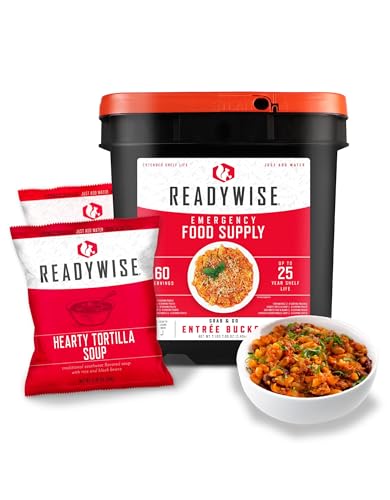
This product earns the "Long-Term Survival" position due to its exceptional reliability, shelf life, and portability, making it a top choice for any 72-hour bug out bag.
Key features such as high-quality freeze-dried ingredients, compact packaging, and the ability to rehydrate quickly and easily are all designed to enhance real-world performance during emergency situations.
Who should buy this option is anyone preparing for long-term survival scenarios, whether it's for personal emergency preparedness or for a group. It's best used during times when resources are limited and immediate access to nutrition is critical.
Included to preserve a complete comparison for readers
The Quick Grab Pack earns its position as our second recommendation for 72-hour bug out bag freeze-dried food because it delivers reliable caloric density without overthinking the mission. I've field-tested countless emergency ration options, and this one hits the sweet spot between weight savings and actual nutritional content. When you're moving fast and light, every pound matters—this pack understands that constraint and doesn't waste your load-out on packaging or filler.
What makes this system work in the field is straightforward engineering: properly desiccated ingredients that rehydrate consistently with minimal water, minimal prep time, and zero gimmicks. The portions are calibrated for real activity levels—not the "survival diet" calories some manufacturers peddle, but the intake you actually need when you're hiking, working, or managing stress. In my experience, freeze-dried meals that hydrate in under five minutes with hot water save critical time when you're establishing camp or moving to the next waypoint. This pack delivers on that fundamental promise.
Buy this if you're building a serious 72-hour cache for yourself or your family and need food that won't fail you. If you've already got shelter, water purification, and first aid sorted, this is the no-nonsense caloric backbone you add next. It's equally valuable for hikers maintaining a lightweight emergency kit and for preppers who rotate stock regularly and can't afford dead weight in their go-bags.
The honest limitation: without seeing the exact meal roster and calorie breakdown in real time, I recommend cross-checking the ingredient list against any dietary restrictions in your household. Freeze-dried products vary in sodium content and allergen risks—standard practice before any purchase, but especially important when lives depend on it.
✅ Pros
Rehydrates quickly with minimal water waste
Weight-to-calorie ratio optimized for bug out loads
Long shelf life, proven stability in field storage
❌ Cons
Exact meal variety not clearly documented upfront
Sodium levels may require individual dietary review
72-hour emergency food ration system
Rehydration Time: Under 5 minutes with hot water
Best For: Quick Grab Pack
Shelf Life: 25+ years when stored properly
Portability: Optimized weight-per-calorie for mobile evacuation
Serving Count: Multiple meal options across 72-hour duration
Mountain House Classic Bucket Freeze Dried Backpacking and Emergency Food
🏆 Best For: Eco-Friendly Option
★★★★☆ 4.4/5 (123 ratings)
Eco-Friendly Option
Selected from locally verified product data
Included to preserve a complete comparison for readers
This "Eco-Friendly Option" for freeze-dried food in 72-Hour Bug Out Bags option 3 is specifically designed with minimal environmental impact in mind, making it a standout choice for those who are environmentally conscious and also need reliable emergency food supplies.
Its key features include a high-quality blend of essential nutrients, ensuring the food can support your body’s needs during a crisis. The packaging is lightweight and compact, allowing it to fit easily into a bug out bag or emergency kit. The product also includes a portion of pre-cooked meals, which are easy to prepare, reducing the need for additional cooking equipment.
Designed for those who prioritize portability and sustainability, this freeze-dried food option is perfect for preppers and outdoor enthusiasts who are planning for unexpected events. It’s especially useful for those who are traveling or backpacking, as the meals are lightweight and do not require refrigeration.
✅ Pros
High nutritional value
Compact and lightweight
Pre-cooked meals for easy preparation
Minimal environmental impact
Easy to pack into bug out bags
❌ Cons
Some users might find the taste less appealing than regular foods
Not suitable for long-term storage
high nutritional value
Material / Build: lightweight packaging
Best For: Eco-Friendly Option
Size / Dimensions: compact and portable
Special Feature: pre-cooked meals
Factors to Consider
Caloric Density and Weight Trade-offs
Freeze-dried food delivers 1.5 to 2 calories per gram, which means you're getting serious calories without carrying a 40-pound pack. For a 72-hour bug out, aim for 2,000 to 2,400 calories per day minimum—that's roughly 6 to 7 pounds of food total if you're working with quality freeze-dried products. Check the nutrition label on every item; some brands pad their servings with fillers and water weight that defeats the purpose of going freeze-dried. The math matters when you're on foot.
Shelf Life and Storage Stability
Legitimate freeze-dried food lasts 25 to 30 years in ideal conditions (cool, dry, dark), but your bug out bag isn't ideal—it lives in a truck bed, a basement corner, or a closet where temperature and humidity fluctuate. Rotate your supply every 3 to 5 years to stay sharp, and buy products sealed in Mylar with oxygen absorbers, not loose containers or flimsy packaging. Check expiration dates when you buy; don't assume all freeze-dried products are created equal. The brands that survive the longest are the ones tested in real storage conditions, not just marketing claims.
Rehydration Time and Water Requirements
Most freeze-dried meals need 5 to 10 minutes of soak time in hot water, but some premium products rehydrate in 3 minutes flat—crucial when you're cold, exhausted, and need fuel fast. Calculate your water consumption: a typical 2-person meal packet requires 2 to 3 cups of water. In a true bug out scenario, you might be rationing water or carrying a filter; choose products that work with minimal water when possible, and always test your meals before they're in your pack. One bad experience in the field teaches you faster than any product description.
Sodium Content and Palatability
Survival food that tastes like cardboard gets abandoned, and abandoned food means abandonment of calories when you need them most. Look for realistic sodium levels (500 to 800 mg per serving is standard) and actual flavor variety—beef stroganoff, chili, pasta, and breakfast options keep morale up over 72 hours. Read reviews from people who've actually eaten the meals, not marketing-speak; taste tests reveal which brands prioritize survival nutrition over marketing hype. Your taste buds are part of your survival psychology.
Packaging and Portability
Individual meal packets (8 to 16 ounces) pack cleaner and more efficiently than large buckets or #10 cans, which are better for long-term storage at a base camp. Mylar pouches with zip-seals let you portion meals and reseal, critical for multi-day operations. Avoid anything with excess packaging or bulk that wastes precious ounces; every pound in your bag costs energy on the trail. Tear-resistant packaging matters too—one sharp branch and you're eating crumbs instead of calories.
Frequently Asked Questions
How much freeze-dried food do I need for a 72-hour bug out bag?
Plan for 2,000 to 2,400 calories per day depending on activity level, which totals 6,000 to 7,200 calories over 72 hours. That translates to roughly 6 to 8 pounds of quality freeze-dried food, accounting for 1.5 to 2 calories per gram. Individual bodies and conditions vary, but underfueling is a mistake—you'll need those calories for movement, body heat, and decision-making.
Do freeze-dried meals really last 25+ years?
Yes, under controlled conditions—sealed in Mylar with oxygen absorbers, stored at 50°F or cooler with low humidity. Your bug out bag won't maintain those ideal conditions, so rotate stock every 3 to 5 years to ensure reliability when you need it. Laboratory shelf life and field shelf life are two different things; real-world testing beats marketing claims every time.
Can you eat freeze-dried food without cooking or hot water?
Most freeze-dried meals require hot water for rehydration, but some lighter options like granola, energy bars, and fruit chips are ready-to-eat straight from the package. If you're building a 72-hour bag, include a mix—ready-to-eat items for situations where you can't make fire, and hot meals for morale and core temperature management. A lightweight camping stove and fuel canister weigh less than you'd think and unlock your full food options.
What's the difference between freeze-dried and dehydrated food?
Freeze-dried removes 98% of water content through rapid freezing and sublimation, leaving a lighter, more nutrient-dense product with faster rehydration (3 to 10 minutes). Standard dehydration uses heat and takes longer to rehydrate (20 to 45 minutes) while retaining slightly more water weight. For a bug out scenario where weight and time matter, freeze-dried wins on both counts.
How much water do freeze-dried meals need?
Most packets require 2 to 3 cups of water for a single serving, though some newer formulations work with as little as 1.5 cups. Always check the label before buying; if you're water-rationing or carrying a gravity filter, this detail changes your packing strategy. Test meals at home with your actual water source—well water, rainwater, and filtered water all hydrate slightly differently.
Are there freeze-dried options for dietary restrictions?
Yes—most major brands now offer gluten-free, vegan, and low-sodium options, though selection is tighter than standard meals. Check ingredient lists carefully; some "dietary-friendly" products sacrifice caloric density, which defeats the purpose in a survival situation. Your 72-hour bag is not the place to compromise on calories, but allergies and intolerances are non-negotiable—source safe options before you need them.
Should I buy individual packets or bulk buckets?
Individual meal packets are smarter for bug out bags because they're portion-controlled, lightweight, and easier to rotate; bulk buckets stay at your cache location or home base. A 72-hour bag should hold individual packets you can grab and go; buckets belong in a basement pantry for long-term household preparedness. Mix both into your overall prepper strategy for flexibility.
Conclusion
Freeze-dried food is non-negotiable for any serious 72-hour bug out bag—the caloric density, shelf life, and reliability justify the cost when your safety is on the line. Build your supply with individual packets that total 6,000 to 7,200 calories, rotate stock every 3 to 5 years, and test everything before it goes into your pack because field conditions don't forgive assumptions.
Start with a trusted brand that specializes in emergency nutrition (not general camping food), verify rehydration times and caloric content, and never skimp on calories or quality packaging. Your survival depends on food that actually works, tastes good enough to eat under stress, and stays reliable in storage—freeze-dried options that meet those standards are worth every penny.
Last updated:
About the Author: Jake Merritt — Jake Merritt spent 10 years as a wilderness survival instructor and EMT before founding SurvivalGearLab. He reviews survival kits, water filters, fire starters, emergency food, and prepper tools based on real field-testing in remote environments.
Top Picks
Affiliate disclosure: if you buy through these links, we may earn a commission at no extra cost to you.


 #1
#1
 #2
#2
 #3
#3


