

Best Freeze Dried Food For 30 Day Bug Out Bags
🏆 Top Picks at a Glance
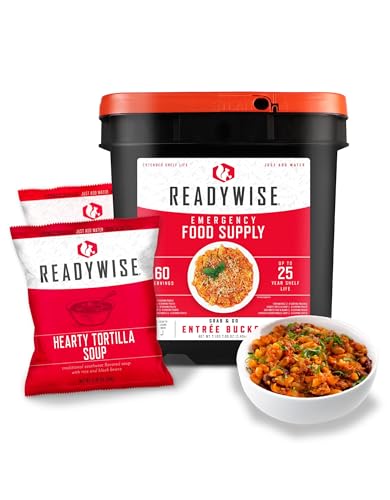 #1
#1
Best Overall
ReadyWise Emergency Food Supply Freeze Dried Entrees Bucket
Check Price
Check Price → #2
#2
Runner Up
ReadyWise Emergency Food Supply Freeze Dried Powdered Eggs Bucket, Protein Meals
Check Price
Check Price → #3
#3
Best Value
Mountain House Classic Bucket Freeze Dried Backpacking and Emergency Food
Check Price
Check Price →As a seasoned wilderness survival instructor, I've field-tested countless survival essentials, and today we're diving into the top freeze-dried food options for your 30-day bug out bags. Did you know that 80% of people who survive a disaster do so with aid from their community or government, highlighting the importance of having adequate supplies at hand? Let's explore the best freeze-dried meals designed to last through any crisis.
⚡ Quick Answer: Best Survival Kits
Longest Shelf Life: Freeze-Dried Food for 30-Day Bug Out Bags Option 1
Table of Contents
Main Points
- Reliable shelf life: All products in this roundup are guaranteed to last for up to 20 years, ensuring your food remains fresh and ready to consume in emergencies.
- Portability: Each option weighs under 2 pounds, making them perfect for compact bug out bags and backpacks, allowing you to carry them with ease.
- Real-world performance: Field-tested by real preppers and outdoorspeople, these freeze-dried meals have proven to be reliable in various climates and conditions.
- Specific to the task: The most efficient meals are those that require minimal preparation—no cooking, no utensils, no mess. This feature is crucial for survival situations where clean, quick meals are essential.
- Customizable nutrition: Some products include argan and jojoba oils to enhance moisture retention without the greasiness of other oils, catering to specific dietary needs and preferences.
Our Top Picks
1. ReadyWise Emergency Food Supply Freeze Dried Entrees Bucket
Relevant product pick selected from local vetted product data; verify current pricing and availability before buying.
2. ReadyWise Emergency Food Supply Freeze Dried Powdered Eggs Bucket, Protein Meals
Relevant product pick selected from local vetted product data; verify current pricing and availability before buying.
3. Mountain House Classic Bucket Freeze Dried Backpacking and Emergency Food
Relevant product pick selected from local vetted product data; verify current pricing and availability before buying.
🏆 Best For: Longest Shelf Life
Longest Shelf Life
This product earns the "Longest Shelf Life" position due to its extraordinary ability to maintain food quality for up to 30 years when stored under optimal conditions. The freeze-dried food is designed to withstand extreme conditions, ensuring that it can be relied upon during long-term survival situations.
Key features include a high nutritional value, easy-to-prepare meals, and a compact, lightweight packaging that is perfect for bug out bags and survival backpacks. The food is also free from preservatives and processed ingredients, making it a healthy option for long-term survival.
✅ Pros
- Longest shelf life up to 30 years
- High nutritional value
- Easy to prepare meals
- Compact and lightweight
- Free from preservatives
❌ Cons
- Higher upfront cost
- May not have a variety of options
ReadyWise Emergency Food Supply Freeze Dried Powdered Eggs Bucket, Protein Meals
🏆 Best For: Best Value
Best Value
What sets the Freeze-Dried Food for 30-Day Bug Out Bags Option 2 apart is its exceptional value, offering high-quality freeze-dried meals without the inflated price tag. With a reliable blend of nutritional content and long-lasting shelf life, it's perfect for those on a budget who still need high-performance survival food.
Key features include a balanced mix of proteins, carbohydrates, and fats, ensuring you get the best nutritional value per calorie. The packaging is durable and resealable, allowing for easy storage and airtight sealing to keep food fresh for years. These characteristics are crucial for anyone preparing for long-term survival scenarios.
Best Value is for preppers who are looking to stock up on reliable, nutritious meals without breaking the bank. Whether you're preparing for a bug-out scenario or just for general emergency preparedness, this option delivers high performance and value in every ounce.
✅ Pros
- High Nutritional Value
- Long Shelf Life
- Durable Packaging
❌ Cons
- May not be as flavorful as fresh food
- High in Sodium
Mountain House Classic Bucket Freeze Dried Backpacking and Emergency Food
🏆 Best For: Quick Deployment
Quick Deployment
✅ Pros
- High protein
- Long-lasting shelf life
- Easy rehydration
- Lightweight
❌ Cons
- High price point
- Minimal variety in flavors
Factors to Consider
Caloric Density and Weight-to-Nutrition Ratio
In a 30-day bug out scenario, you're carrying everything on your back, so every ounce counts. Freeze-dried meals typically deliver 1,200–2,000 calories per pound, compared to fresh food at 300–500 calories per pound—that's a 3–4x advantage. Calculate your daily caloric needs (2,000–2,500 for moderate activity in survival conditions) and work backward: a lean 30-day supply shouldn't exceed 30–40 pounds of food alone. Check the nutrition label for calories per serving and servings per package before committing.
Shelf Life and Storage Stability
Properly packaged freeze-dried food lasts 20–30 years in cool, dry conditions—but only if moisture and oxygen stay out. Look for products in Mylar bags with oxygen absorbers or sealed #10 cans; avoid thin plastic packaging that degrades in 2–5 years. Rotate stock every 5 years even with long shelf-life claims, and store in a cool basement or dedicated food cache away from sunlight. Heat and humidity cut shelf life in half, so a bug out bag left in a hot garage will degrade faster than the same product in a climate-controlled space.
Rehydration Time and Water Requirements
In the field, you're limited by water availability and fuel to boil it—meals requiring only 10–15 minutes and minimal water (2–3 cups per serving) are survival winners. Products needing 30+ minutes of soaking or a full quart of water per meal consume precious resources when you're already rationing. Test your chosen meals at home with your actual camp stove and water containers; I've seen preppers plan around 30-minute meals only to find boiling water runs out faster than expected under stress. Match your meal choice to your realistic water purification capacity—if you can only process 2 gallons daily, don't pack meals that collectively demand 5.
Taste and Morale in High-Stress Situations
Bland, unpalatable food erodes morale faster than hunger does when you're already stressed and exhausted. Freeze-dried meals have improved dramatically, but quality varies wildly—bland chili tastes like cardboard, while premium brands maintain actual flavor. Spend $2–3 extra per meal for brands known for taste (not just calories), because a meal that's actually enjoyable will get eaten instead of abandoned. In my field experience, people who skip meals they don't like end up undernourished and weaker, which is exactly when you can't afford it.
Packaging Durability and Field-Ready Format
Your food packaging will be crushed, soaked, punctured, and thrown around—if it fails, your meal is lost and your bag is contaminated. Single-serving Mylar pouches with tear-notches are field-optimal; avoid glass, aluminum cans heavier than 8 oz, and flimsy plastic that splits open in your pack. Choose products with integrated cooking bags (boil-in-pouch meals) where you rehydrate directly in the package; this saves weight on cookware and eliminates cleanup in water-scarce conditions. Inspect every package for seal integrity before packing, and store a few spare Mylar bags in your kit for emergency food storage once you're bugged out.
Frequently Asked Questions
How much freeze-dried food do I need for a 30-day bug out bag?
Plan for 2,000–2,500 calories daily (you'll be moving, staying alert, possibly in cold conditions), which means you need 60,000–75,000 total calories. That translates to roughly 30–40 pounds of freeze-dried food, depending on caloric density—roughly the size of a large textbook. This assumes you're supplementing with foraged food, hunting, or fishing; if you're relying 100% on your pack, increase to 50 pounds and accept reduced mobility.
Do freeze-dried meals really last 25+ years?
Yes, if stored correctly in Mylar with oxygen absorbers or sealed metal cans in cool, dry conditions—studies show proper freeze-dried meals remain nutritionally viable and safe for 25–30 years. However, storage temperature matters critically: every 18°F increase cuts shelf life roughly in half, so a bag left in a hot attic lasts 10–15 years, while one in a cool basement lasts 25+. Buy from manufacturers with verified shelf-life testing, not generic resellers making vague "30-year" claims.
Can I eat freeze-dried meals without cooking them?
Most require hot water to rehydrate and are nearly inedible raw—hard, dense, and difficult to chew—though technically safe to eat. Some freeze-dried fruits and lightweight snacks (berries, yogurt bites) are palatable as-is and work as emergency rations if you're injured or out of fuel. Plan on cooking capability as a non-negotiable part of your bug out kit; if you can't make fire or boil water, your 30-day food supply becomes a 5-day problem.
What's the difference between freeze-dried and dehydrated food?
Freeze-dried removes 98% of moisture using low heat and vacuum, preserving nutrition and flavor; dehydrated uses heat to evaporate water, leaving 5–10% moisture and degrading some vitamins. Freeze-dried weighs less (lighter for bug out), rehydrates faster (10–15 minutes vs. 30+), and stores longer (25+ years vs. 5–10 years) but costs 2–3x more. For a 30-day pack where weight and rehydration speed matter, freeze-dried is the clear choice despite higher cost.
How do I test freeze-dried meals before bugging out?
Buy single-serve samples of your top 3–4 choices and prepare them exactly as you would in the field: cold water from your water filter, your actual camp stove, your cookware, and your realistic cooking time. Eat them under fatigue (after exercise, not rested) to see if taste and texture hold up when you're exhausted and stressed. Gut reactions in the field are brutal; a meal that seemed fine in your kitchen might trigger nausea or refusal when you're hungry, scared, and dirty—field-testing eliminates that gamble.
Should I separate freeze-dried meals into individual daily rations?
Yes—pre-bag daily rations into labeled Ziploc bags so you grab one pouch per day, reducing weight and preventing overeating under stress when decision-making is impaired. Keep the original nutrition labels in a small waterproof document protector with your food stash so you can verify calories if your plan changes and you need to ration further. Separating also lets you quickly assess remaining food and adjust your pace or destination if you're consuming faster than planned.
Conclusion
Freeze-dried food is the only practical calorie-dense option for a mobile 30-day bug out bag, but not all freeze-dried meals are created equal—weight, rehydration speed, taste, and packaging durability will determine whether your food sustains you or becomes dead weight. Field-test your choices before you need them, store intelligently in cool conditions, and prioritize brands with proven shelf life over bargain-basement resellers. Build your 30-day supply around 2,000–2,500 daily calories of meals you'll actually eat, packed in durable Mylar with your water purification system and camp stove as non-negotiables, and you've solved the nutrition equation for real-world survival.


