

What Survival Kit Do You Need Quiz
There's no single "survival kit." What you need depends on where you live, how far you are from help, how many people you're preparing for, and what scenarios you're actually preparing against. Answer 6 questions and we'll tell you exactly what to build first.
Your scenario is evacuation — getting out fast with everything you need to survive for 72 hours away from home. A bug-out bag is a pre-packed backpack you can grab and go in minutes. Here's how to build the right one.
The fastest path to ready: start with a quality pre-built 72-hour bag (Stealth Angel, Ready America, or 4Patriots) and add your personal medications, documents, and area-specific items. Pre-built kits cover the basics; your additions make it complete.
Table of Contents
- Our Top Picks
- What's your biggest concern when you think about emergency preparedness?
- How many people are you preparing for?
- Where do you live?
- Do you currently have any emergency supplies at home?
- How mobile do you need your kit to be?
- What's your budget to get started?
- 🏃 You Need a Bug-Out Bag (72-Hour Evacuation Kit)
- 🏠 You Need a Home Emergency Supply Cache
- 🚗 You Need a Get-Home Bag (Vehicle Emergency Kit)
- 🏕️ You Need a Comprehensive Preparedness System
- Frequently Asked Questions
Our Top Picks
Affiliate disclosure: if you buy through these links, we may earn a commission at no extra cost to you.

What's your biggest concern when you think about emergency preparedness?
How many people are you preparing for?
Where do you live?
Do you currently have any emergency supplies at home?
How mobile do you need your kit to be?
What's your budget to get started?
🏃 You Need a Bug-Out Bag (72-Hour Evacuation Kit)
Option 1: Buy a Pre-Built Kit and Customize
Shop Pre-Built Bug-Out Bags →Option 2: Build Your Own (Better Long-Term)
Core categories: water (1L minimum + Sawyer Mini filter), food (3 days of high-calorie bars), shelter (emergency bivvy or tarp), fire (lighter + waterproof matches + ferro rod), first aid, communication (hand-crank radio), and navigation (paper map of your area).
Shop Sawyer Mini Water Filter →Don't Skip This: The Go-Bag Document Pouch
Copies of ID, insurance cards, bank account info, emergency contacts, and a USB drive with family photos and scanned documents. Stored in a waterproof pouch inside your bag. Most people skip this — it's often the most valuable thing you have in an evacuation.
Shop Waterproof Document Pouches →🏠 You Need a Home Emergency Supply Cache
Your scenario is sheltering in place — a power outage, water disruption, or short-term emergency where leaving isn't necessary but being unprepared is miserable. A home cache focuses on water, food, power, and comfort for 2 weeks minimum.
Water First — 1 Gallon Per Person Per Day
For a family of 4, a 14-day supply = 56 gallons minimum. Store in 5-gallon stackable containers or WaterBOB bathtub bladders (100 gallons fillable in minutes when you know a storm is coming). Add a Berkey or LifeStraw home filter for ongoing purification capability.
Shop Water Storage Containers →Food: Freeze-Dried Beats Canned for Long-Term Storage
Freeze-dried meals (Mountain House, Augason Farms, 4Patriots) have 25–30 year shelf lives and weigh almost nothing. For a 2-week home supply, a single #10 can of freeze-dried protein and a case of entrees covers a family of 4 without taking up much space.
Shop Freeze-Dried Emergency Food →Power: Portable Power Station + Solar Panel
A 1000Wh portable power station (Jackery, EcoFlow, Bluetti) keeps phones charged, runs a CPAP, powers LED lights, and runs a small fan for 12–24 hours. Pair with a 100W solar panel for indefinite recharging capability during a grid-down event.
Shop Portable Power Stations →🚗 You Need a Get-Home Bag (Vehicle Emergency Kit)
Your most likely emergency isn't a wildfire — it's being stranded 20 miles from home when something goes wrong. A get-home bag lives in your vehicle and gets you home on foot if necessary. Compact, practical, always there.
The Core Vehicle Kit
A 24-hour get-home bag focuses on the walk home: water (collapsible bottle + purification tablets), high-calorie bars, broken-in walking shoes (stored in the trunk), phone battery pack, small first aid kit, and a paper map of routes home. Fits in a 20L daypack.
Shop Vehicle Emergency Kits →Add: Roadside Emergency Kit
Jumper cables (or jump starter pack), tire inflator, reflective triangles, basic tools, and a mylar blanket. A combined roadside + get-home setup means you're covered whether the emergency is mechanical or requires you to walk.
Shop Roadside Kits →🏕️ You Need a Comprehensive Preparedness System
You're thinking about longer-term scenarios — not just 72 hours, but weeks or months. That requires a layered approach: bug-out bag for evacuation, home cache for shelter-in-place, and skills to back it all up.
Layer 1: 72-Hour Bug-Out Bag
Start here even for long-term preparedness. A quality bug-out bag covers the most likely emergency (evacuation) and serves as the foundation for everything else. Build or buy a solid 72-hour bag first.
Shop Bug-Out Bags →Layer 2: 30-Day Home Food Supply
A 30-day supply of freeze-dried and shelf-stable food for your household. Augason Farms and 4Patriots offer 30-day bucket kits that store in a closet and last 25 years. This is the single biggest peace-of-mind purchase in preparedness.
Shop 30-Day Food Supplies →Layer 3: Water Filtration (Long-Term)
For extended scenarios, water filtration from natural sources is essential. The Sawyer Squeeze or Berkey countertop filter handles long-term purification. A 55-gallon drum for water storage plus a hand pump rounds out a serious water plan.
Shop Berkey Water Filters →SurvivalGearLab.com participates in the Amazon Associates program and earns commissions on qualifying purchases at no extra cost to you. Preparedness recommendations are general guidance — assess your specific local risks and consult local emergency management resources.
Frequently Asked Questions
What is the best survival kit for a family of four?
The best survival kit for a family of four should include essentials like water purification tablets, emergency food, a first aid kit, and a durable survival backpack. Consider adding a fire starter and a compact water filter for long-term preparedness.
How do I choose the right water filter for my survival kit?
Choose a water filter based on your location and water source. A gravity-fed filter is great for outdoor use, while a portable pump filter is ideal for home use. Always include a backup purification method like chemical tablets.
Is a survival knife worth including in my emergency kit?
Yes, a survival knife is worth including as it can be used for cutting, self-defense, and various survival tasks. Look for a durable, multi-functional knife with a good blade material and ergonomic handle.
How to prepare for a natural disaster with limited space?
Focus on compact, multi-use items like a survival backpack with a first aid kit, emergency food, and a water filter. Prioritize items that can serve multiple purposes and ensure you have enough supplies for at least 72 hours.
What is the best emergency radio for a survival kit?
The best emergency radio is one that can receive NOAA alerts and has a battery backup. Look for models with AM/FM capabilities and a solar charger for long-term reliability during power outages.
How do I store emergency food for long-term survival?
Store emergency food in airtight, moisture-proof containers in a cool, dark place. Freeze-dried meals are a good option as they have a long shelf life and require minimal storage space. Rotate your stock every 6 months to ensure freshness.
What should I include in my bug out bag for a short-term emergency?
Include a compact first aid kit, emergency food, a water filter, a fire starter, and a durable backpack. Add a whistle, multi-tool, and essential documents to ensure you're prepared for quick evacuation and basic survival needs.
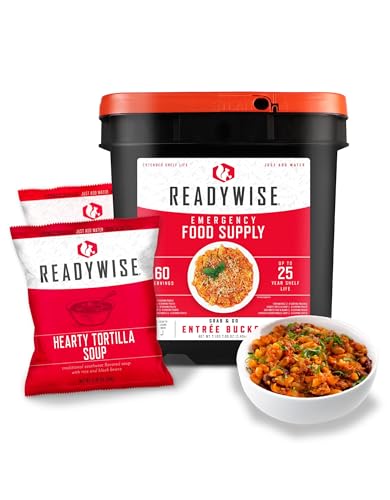
1. ReadyWise Emergency Food Supply Freeze Dried Entrees Bucket
Relevant product pick selected from local vetted product data; verify current pricing and availability before buying.
2. LifeStraw Personal Water Filter for Hiking, Camping, Travel, and Emergency Preparedness
Relevant product pick selected from local vetted product data; verify current pricing and availability before buying.

3. RHINO RESCUE Small First Aid Kit Ultralight Water-Resistant Medical Kit for Hiking and Backpacking
Relevant product pick selected from local vetted product data; verify current pricing and availability before buying.


