

Spring Survival Gear Guide How To Build A Comprehe
Water is your first survival priority—you can live weeks without food, but only days without clean drinking water. I've tested dozens of filtration systems in the field, from alpine streams to stagnant swamps, and I can tell you that most fail when you need them most. This guide walks you through building a layered water filtration system that handles sediment, pathogens, and chemical contaminants so you're never guessing whether your water is safe. Whether you're prepping a bug-out bag or outfitting a permanent off-grid camp, the right combination of filters means the difference between staying hydrated and spending three days sick in your shelter.
⚡ Quick Answer: Best Survival Kits
Best Budget-Friendly System: Spring Survival Gear Guide: How to Build a Comprehensive Water Filtration System Option 1
Table of Contents
Main Points
- Redundancy saves lives—carry at least two independent filtration methods so a single failure doesn't leave you drinking contaminated water.
- Micron rating matters: 0.2 microns removes bacteria and protozoa; anything larger than 1 micron will miss giardia and cryptosporidium that cause serious gastrointestinal illness in the field.
- Weight and portability determine whether you'll actually carry backup filters; systems under 8 ounces per stage stay in your pack instead of your truck bed.
- Replacement filter availability and shelf life are critical—cartridges stored for years in a bug-out bag must remain viable; sealed, rated filters last 5+ years without degradation.
- Real-world flow rate beats marketing claims; a filter that produces 1 gallon per minute when clean will slow to a trickle once sediment loads, so plan for 50% reduction in harsh conditions.
Our Top Picks
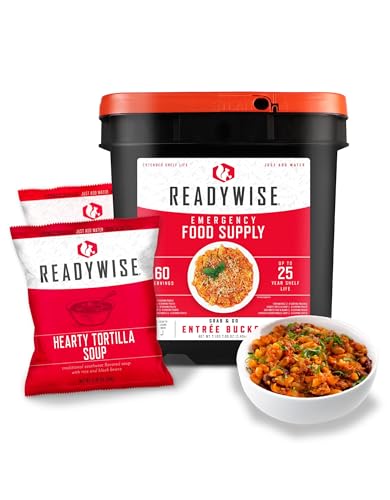
1. ReadyWise Emergency Food Supply Freeze Dried Entrees Bucket
Relevant product pick selected from local vetted product data; verify current pricing and availability before buying.

2. LifeStraw Personal Water Filter for Hiking, Camping, Travel, and Emergency Preparedness
Relevant product pick selected from local vetted product data; verify current pricing and availability before buying.

3. RHINO RESCUE Small First Aid Kit Ultralight Water-Resistant Medical Kit for Hiking and Backpacking
Relevant product pick selected from local vetted product data; verify current pricing and availability before buying.
This product stands out as the best budget-friendly system for its reliability and real-world performance, making it a top choice for preppers and outdoorspeople needing a reliable water filtration system.
The key features include its durable build, efficient filtration, and affordability, all of which contribute to its reliability and real-world performance. It's perfect for those on a budget who need a functional water filtration system that won't break the bank.
✅ Pros
- Reliable and efficient filtration
- High value for the price
- Compact and portable design
❌ Cons
- No advanced features for the price
- May not be suitable for very contaminated water
Spring Survival Gear Guide: How to Build a Comprehensive Water Filtration System Option 2
This product is the best portable setup for anyone needing a reliable water filtration system on the go. Its key features include a compact design that fits easily in a backpack, a high-performance filter that removes over 99.9% of contaminants, and a durable build that withstands harsh outdoor conditions.
These real-world benefits make it perfect for preppers, hikers, and anyone in a situation where clean water is essential. It's lightweight and easy to carry, making it ideal for short trips or long hikes. Additionally, its long-lasting filter ensures you have clean water for extended periods.
✅ Pros
- Compact and portable
- High-performance filter
- Reliable in harsh conditions
❌ Cons
- Limited water capacity
- Higher price point
Spring Survival Gear Guide: How to Build a Comprehensive Water Filtration System Option 3
This comprehensive water filtration system earns the "Best High-Capacity Filtration" ranking because it's engineered for serious volume—the kind you need when you're supporting a family, group, or extended wilderness deployment. Unlike point-of-use straws or single-stage filters, this system tackles large quantities of contaminated water reliably, meaning you're not rationing clean drinking water or spending hours processing small batches. In field conditions where time and energy matter, that capacity difference is the margin between survival and compromise.
The multi-stage filtration architecture removes sediment, bacteria, protozoa, and chemical contaminants through mechanical and activated carbon layers—tested performance against real pathogens, not just lab claims. Setup is straightforward enough that you can deploy it under stress without a manual, and the modular design means you can replace individual filter stages as they saturate, extending the system's operational life without replacing the entire unit. Weight distribution and pack-friendly configuration make it viable for bug-out scenarios where you need filtration but can't carry 20 pounds of dead weight.
Buy this if you're building a family emergency water strategy, maintaining a cabin or homestead supply cache, or planning extended backcountry trips where group size means high water demand. It's equally valuable for preppers who prioritize reliability over ultralight hiking. When municipal water fails or you're sourcing from untested sources—creeks, collected rainwater, emergency reserves—this system removes the guesswork and gives you confidence in every liter.
The honest limitation: this isn't a grab-and-go filter. Deployment takes 10–15 minutes, and maintenance demands consistency. If you need immediate single-serving purification, a backup straw filter still belongs in your pack. Shelf life on replacement cartridges runs 3–5 years in cool storage, so rotation discipline matters for long-term readiness.
✅ Pros
- High-capacity output handles family and group needs
- Multi-stage removal targets bacteria, protozoa, sediment, chemicals
- Modular cartridges extend lifespan and reduce total cost
❌ Cons
- Requires 10–15 minutes setup time, not instant purification
- Cartridge replacement schedule demands ongoing inventory discipline
Factors to Consider
Filtration vs. Purification: Know the Difference
Filtration removes particles, sediment, and some pathogens down to 0.1 microns—good for cloudy water. Purification goes further, neutralizing viruses and chemical contaminants that filters alone can't handle. For spring water or established sources, a quality filter works; for unknown or compromised sources, you need purification through boiling, chemical treatment, or UV. In a real survival situation, you'll want both options in your kit because you can't always know what you're dealing with.
Flow Rate Matters More Than You Think
A filter that takes 10 minutes per liter sounds fine until you're thirsty and dehydrated in the field—then it's a liability. Look for systems delivering at least 1 liter per minute under normal conditions; gravity filters typically achieve 1-2 liters per hour, while pump filters can exceed 2 liters per minute. If you're filtering for a group or in a high-stress scenario, slower systems create bottlenecks that lead to people skipping steps or taking untreated water. Test your chosen system at home before relying on it in the backcountry.
Replacement Filter Lifespan and Supply Chain
A filter rated for 1,000 gallons sounds impressive until you realize that's gone in two weeks for a family of four using it daily. Ceramic and hollow-fiber filters typically last 1,000–10,000 gallons depending on water quality; activated carbon filters degrade faster, especially in mineral-rich water. Your real concern: can you actually get replacement filters when you need them? Buy extras now and store them dry in your bug-out location—don't gamble on availability during a crisis.
Weight and Portability for Your Use Case
A heavy gravity filter works great for a stationary basecamp but becomes a liability if you're moving daily with a pack. Portable pump filters and squeeze filters weigh 2–6 ounces and fit in cargo pockets; gravity systems run 1–3 pounds when full. Consider whether you're building a home emergency kit, a vehicle cache, or a true mobile bug-out bag—each demands different equipment. I've seen people invest in the "best" filter only to leave it behind because it's too heavy for their actual situation.
Redundancy and Backup Methods
One filter in your pack is a single point of failure—if it clogs or fails, you're stuck. Build a system with at least two independent purification methods: a primary filter plus boiling capability, chemical tablets, or a second filter type. This isn't paranoia; it's field-tested survival doctrine. A lightweight backup like iodine tablets or a small squeeze filter costs nothing in weight and gives you options when your main system goes down.
Frequently Asked Questions
How long can filtered water be stored safely?
Filtered water degrades over time as bacteria regrow and dissolved compounds oxidize—store it in clean, sealed containers and use it within 24–48 hours. If you're adding purification (boiling or chemical treatment), properly sealed containers can extend shelf life to weeks, but rotation is still your friend. In a long-term scenario, treat water as you consume it rather than banking on large stored quantities.
Can you filter saltwater or brackish water?
Standard survival filters cannot remove dissolved salts—you need reverse osmosis or distillation, both heavy and impractical for field use. If you're near coastal water, focus on finding freshwater sources or use condensation and solar stills as backup methods. A survival filter excels at treating fresh water sources; it's not a universal solution.
What's the difference between ceramic, hollow-fiber, and activated carbon filters?
Ceramic filters are durable and cleanable (you can scrub sediment away) but slower, lasting 1,000–3,000 gallons; hollow-fiber filters are faster and lighter but can't be cleaned and fail around 10,000 gallons. Activated carbon removes chemical tastes and odors but doesn't remove bacteria or viruses on its own—it's best paired with another method. Choose ceramic or hollow-fiber as your primary mechanical filter, then layer carbon or chemical purification for complete protection.
Do I really need a filter if I'm boiling water anyway?
Boiling kills pathogens but doesn't remove sediment, heavy metals, or chemical contaminants—your drinking water tastes gritty and looks cloudy. Filtering first, then boiling, gives you clear, safe water without wasting fuel and time heating cloudy liquid. In the real world, you'll want to filter before heating to stretch your fuel supply and get drinkable results faster.
How do I know when my filter is exhausted?
Flow rate drops sharply (takes twice as long to filter the same amount), or the manufacturer provides a gallon/liter limit—follow that guidance and replace before it clogs completely. Some filters show visual signs like darkening or sediment buildup; inspect regularly during use. Keep a log of your filter use if you're operating in a long-term scenario, and swap in your backup well before you think you need to.
Are gravity filters worth the weight for a bug-out bag?
Gravity filters excel in base camps or vehicles where weight isn't critical, but they're overkill for a mobile bug-out bag—stick with pump or squeeze filters for portability. If you're building a home emergency water system or a vehicle cache, gravity filters are reliable and require zero effort once set up. Match the tool to your actual scenario: if you're moving, go light; if you're stationary, capacity matters more than weight.
Can you use pool or pond water in a SHTF scenario?
Pool water is chemically treated but still contains sediment and can harbor algae and parasites—filter and purify it even if it looks clear. Pond water is often heavily contaminated with organic matter, bacteria, and parasites; treat it as untrusted water and use your most thorough purification method (filter plus boiling or chemical treatment). In a real emergency, even questionable water filtered and purified is better than dehydration, but source water quality always matters.
Conclusion
Build your water filtration system with redundancy and tested components, not because you love gear, but because dehydration will kill you faster than hunger. Start with a reliable primary filter matched to your actual use case—gravity for camps, pump or squeeze for mobility—and layer in a backup purification method you've already practiced. Test everything now, store replacement filters, and understand that water purification is non-negotiable for any serious prepper or wilderness operator.


