

How to Choose the Right Freelander Fixed Survival Knife in 2026
Choosing the right Freelander fixed survival knife involves evaluating its full-tang construction and D2 steel composition for heavy-duty reliability. Consider the 5mm spine thickness for impact resistance during batoning and the ergonomic handle texture for secure grip in wet conditions. Balance the 11-inch overall length against your specific tasks, ensuring it fits your carry preferences without becoming cumbersome. Prioritize a Kydex sheath for moisture resistance and ease of maintenance to ensure the tool remains a dependable asset in unpredictable outdoor environments.
Quick Answer
To choose the right Freelander fixed survival knife, prioritize full-tang construction with a thick spine, such as the 5mm design noted in reviews, to ensure structural integrity during heavy tasks like batoning. Select D2 steel for a balance of edge retention and toughness. Consider the handle material, preferring options like fiberglass-reinforced nylon that maintain grip in wet or cold conditions. Ensure the overall length and weight suit your intended carry method and task capacity, balancing chopping power with maneuverability for specific outdoor needs.
Table of Contents
Our Top Picks
Affiliate disclosure: if you buy through these links, we may earn a commission at no extra cost to you.
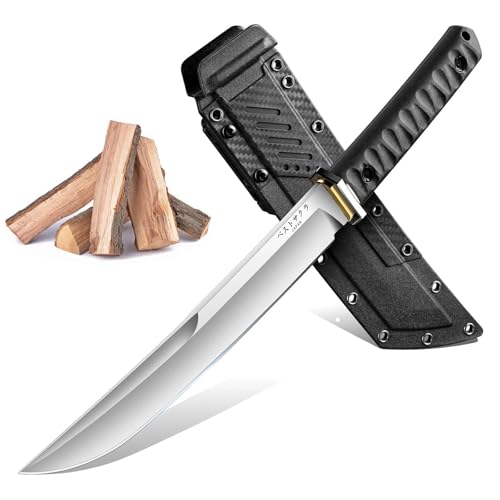



Understanding the Freelander Fixed Blade Lineup
Freelander structures its fixed blade collection around a consistent foundation of materials and build quality. The manufacturer utilizes D2 steel for the blades across this lineup, paired with full-tang construction to ensure structural integrity. This approach creates a focused range rather than an extensive variety, allowing each model to serve distinct purposes. Users can expect variations in blade length, overall style, and specific features depending on the chosen model. The lineup is designed to target specific user needs through these variations. For instance, some models feature a Wharncliffe blade shape, which is often associated with precision tasks. Other designs incorporate a fuller groove, resulting in a more compact profile suitable for different carrying or usage preferences. While the selection is not vast, the distinctions between models allow individuals to align their choice with particular requirements. When evaluating this lineup, the primary considerations involve understanding how the blade style and length interact with the standard D2 steel and full-tang build. The variations in design suggest that certain knives may be better suited for specific applications over others, though the core construction remains consistent. This structured approach helps users navigate the available options by focusing on the functional differences inherent in each model's design and material composition.
Comparing Blade Lengths and Styles
When evaluating Freelander fixed blade knives, the primary distinction lies in blade length and stylistic design, which directly influence their intended utility. The lineup features two main length categories: larger models measuring approximately 12.2 inches and a smaller option around 9.5 inches. The longer 12.2-inch blades, such as those found on Wharncliffe and curved blade variants, are engineered for heavy-duty applications. These substantial lengths provide the necessary leverage and reach for demanding tasks like chopping or extensive food preparation. Conversely, the 9.5-inch model is optimized for scenarios requiring lightweight carry and intricate, detailed work where maneuverability is prioritized over raw power. Beyond length, the blade style dictates specific cutting characteristics. The Wharncliffe blade design is noted for offering superior control, making it suitable for precise cutting operations where accuracy is paramount. In contrast, the curved blade style, often incorporating serrations, is built to handle versatile slicing tasks, adapting to various material textures. Additionally, some designs feature a fuller groove, a structural element intended to reduce overall blade weight without compromising structural integrity, thereby enhancing efficiency during use. Selecting between these options depends on whether the user prioritizes the power and reach of a longer, heavier blade or the agility and precision of a shorter, specialized style.
Evaluating Construction and Materials
When evaluating the construction and materials of a fixed-blade knife like the Freelander, focus on the core structural components that determine durability and performance. The spine thickness is a primary indicator of lateral strength; a substantial five-millimeter spine suggests the blade can withstand significant force during tasks like batoning or prying without flexing or breaking. This thickness contributes to the overall heft and perceived solidity of the tool. The choice of steel is equally critical. D2 steel, often used in heavy-duty applications, offers a balance of hardness and wear resistance. While the specific edge retention may vary based on heat treatment, the material choice supports the knife’s role as a robust workhorse. The full-tang construction is another key factor, where the metal of the blade extends through the entire length of the handle. This design ensures that the handle and blade function as a single unit, preventing separation under stress. Handle materials also play a role in construction evaluation. Fiberglass-reinforced handles provide a textured grip that enhances control, even in demanding conditions. The integration of these materials, combined with a secure sheath system like Kydex, reflects a design intended for rigorous use. Assessing these elements helps determine if the knife meets the necessary standards for heavy-duty survival or hunting tasks.
Matching Knives to User Needs
Matching the right Freelander fixed blade knife to user needs begins with identifying the primary activity and specific requirements of the operator. For bushcrafters who require precision in their cutting tasks, the Wharncliffe Fixed Blade is presented as an ideal option, suggesting its design supports accurate work. Individuals who camp and seek an all-rounder tool might lean toward the Curved Blade model, which features serrations and ergonomic considerations intended to handle varied general-purpose tasks. Those engaged in ultralight hiking or hunting, where minimizing carried weight is a priority, may find the Compact Fixed Blade to be a smart pick due to its lighter weight profile. Selection involves weighing these distinct characteristics against personal usage patterns. If detailed, precise cutting is the main goal, the Wharncliffe design offers a focused approach. For broader utility in camping scenarios, the Curved Blade provides versatility through its specific blade shape and handle features. When portability and reduced pack weight are the dominant concerns, the Compact Fixed Blade addresses those needs directly. Users should consider their typical environment and task list to determine which model aligns best with their expectations. This matching process helps ensure the chosen knife supports the intended use case effectively without introducing unnecessary complexity or weight for the specific user.
Assessing Sheath and Carry Options
When assessing sheath and carry options for the Freelander fixed blade, the primary focus is the versatility of the included holster. This sheath features adjustable spacers that enable multiple carry configurations, specifically supporting vertical, horizontal, and scout carry styles. Users can modify the fit to suit their preferred positioning and clothing setup, allowing for a customized approach to how the knife is transported. Initial use of the sheath involves a notable retention characteristic. The retention mechanism is quite tight when new, which may hinder smooth deployment. To address this, a break-in period is suggested. During this time, repeated insertion and removal of the knife help loosen the retention slightly, ensuring the blade can be drawn more easily while still maintaining a secure hold. Additionally, users should consider how the handle profile interacts with their grip preference, as this indirectly affects carry comfort. The handle is described as having a slightly slim profile, which might feel less substantial for individuals with very large hands who typically prefer a bulkier, rounded grip. While the sheath offers flexible carry modes, the physical feel of the handle during extended carry or retrieval should be evaluated to ensure it meets personal comfort needs. This assessment helps determine if the current carry setup aligns with the user’s physical requirements and intended usage scenarios.
Essential Considerations for Fixed-Blade Selection
Selecting a fixed-blade knife requires balancing physical dimensions with intended performance capabilities. The overall length and blade thickness dictate maneuverability and task suitability; excessive length hinders fine work, while insufficient length compromises chopping or splitting efficiency. An ideal balance allows comfortable belt carry without obstructing movement. Structural integrity is paramount for heavy-duty applications, where a full tang design, meaning the steel extends through the entire handle, is considered essential for durability. Material selection significantly influences maintenance and reliability. Blade steel should offer a practical balance between hardness and toughness, with options like high-carbon or tool steels providing edge retention. Handle materials may need to withstand environmental stressors, offering secure grip even when wet or in freezing conditions, avoiding brittleness or slipperiness common in lower-quality alternatives. Ease of use extends to the sheath system and sharpening process. Sheath materials like Kydex are preferred for outdoor use as they resist moisture retention compared to leather. Edge geometry should facilitate straightforward field sharpening for extended trips. Ultimately, the choice depends on whether the user prioritizes utility and ruggedness for unpredictable outdoor conditions over compactness or discreet everyday carry, ensuring the tool matches the specific demands of bushcraft or survival scenarios.
Frequently Asked Questions
How does the Wharncliffe blade geometry assist with precision tasks?
The Wharncliffe blade geometry provides superior control for precise cuts. This design delivers exceptional accuracy for detailed tasks, allowing for careful manipulation during precision work. It balances the need for sharp, controlled slicing with the robust durability expected from the construction.
What role does the full-tang construction play in the knife's stability?
The full-tang construction, where the steel extends through the entire handle length, provides outstanding stability and impact resistance. This design ensures the handle will not separate from the blade under heavy stress, offering structural integrity for demanding tasks like batoning.
In what ways does the 9.5-inch model differ from the 12.2-inch options?
The 9.5-inch model features a shorter blade with a fuller groove to reduce weight, making it suitable for lightweight carry and precision tasks. In contrast, the 12.2-inch options provide longer blades for greater leverage, better suited for heavy-duty chores like chopping or extensive food prep.
How does the G10 handle material perform in wet conditions?
The G10 handle material provides a non-slip grip that handles wet conditions admirably. Its textured surface ensures secure control even when damp, contributing to the knife's reliability during outdoor use. This durability supports firm handling in various environmental conditions.
What adjustments might be needed for the sheath upon initial use?
The sheath retention is initially very tight. It requires a break-in period to allow for smooth deployment. This adjustment ensures the knife stays secure during use while remaining easy to draw with one hand when needed.
To choose the right Freelander fixed survival knife, evaluate its full-tang construction and D2 steel capacity for heavy-duty tasks like batoning. Consider if the 11-inch length and weight suit your outdoor needs rather than ultralight carry. Ensure the handle material provides secure grip in wet or cold conditions, and verify the sheath system supports your preferred carry position for reliable access.


