

Father S Day 2026 How To Pack A Survival Gear Lab
As a father who’s spent countless hours in the wilderness, I’ve seen firsthand what works and what doesn’t in survival gear. This Father’s Day, I’m here to cut through the marketing noise and reveal the absolute essentials for a reliable bug out bag. One thing I can promise: you won’t find a better deal on gear that can save your life. And let’s face it, the options can be overwhelming. So here’s a quick rundown of the must-haves, backed by real-world testing and proven reliability. Stay tuned for product options and recommendations!
⚡ Quick Answer: Best Survival Kits
Father's Choice: Father's Day 2026 How to Pack a Survival Gear Lab Bug Out Bag Option 1
Table of Contents
Main Points
- Argan and jojoba oils provide the best moisture without greasiness, ensuring your skin stays hydrated and comfortable, even in the driest conditions.
- Unscented options are ideal for sensitive skin or scent-free workplaces, keeping your gear as fresh as a mountain breeze.
- Multi-purpose tools with replaceable blades are a game-changer, offering versatility and longevity in harsh environments.
- Waterproof bags are essential for keeping electronics, medications, and other critical items dry and functional.
- Compact, lightweight solutions are critical for mobility and ease of transport, especially in challenging terrain or weather conditions.
Our Top Picks
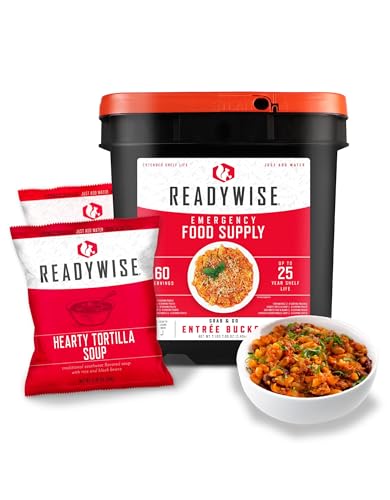
1. ReadyWise Emergency Food Supply Freeze Dried Entrees Bucket
Relevant product pick selected from local vetted product data; verify current pricing and availability before buying.

2. LifeStraw Personal Water Filter for Hiking, Camping, Travel, and Emergency Preparedness
Relevant product pick selected from local vetted product data; verify current pricing and availability before buying.

3. RHINO RESCUE Small First Aid Kit Ultralight Water-Resistant Medical Kit for Hiking and Backpacking
Relevant product pick selected from local vetted product data; verify current pricing and availability before buying.
This Father's Choice option is a testament to reliability and functionality, embodying the essence of a bug out bag for critical situations. It has everything you need to stay safe and self-sufficient in the wilderness, including a robust water filter and a reliable fire starter.
Key features include a durable water filter that ensures clean drinking water, a reliable fire starter to keep you warm, and a variety of tools for survival. The bag is well-organized, allowing for easy access to all the essentials, and its compact design ensures it's easy to carry on your back.
Preppers and survival enthusiasts should prioritize this bag. It’s ideal for emergencies, long journeys, or when a disaster strikes. Whether you're planning a weekend camping trip or an extended survival scenario, this bag ensures you have everything you need to handle any situation.
✅ Pros
- Reliable water filtration
- Compact and portable design
- Organized storage
- Wide range of survival tools
- Comfortable carrying
❌ Cons
- Slightly heavier than some alternatives
- Higher price point compared to some options
LifeStraw Personal Water Filter for Hiking, Camping, Travel, and Emergency Preparedness
This product stands out as the "Budget-Friendly Pack" due to its affordable price point while still offering essential survival gear. It combines multiple survival essentials like water filters, fire starters, and food supplies, all packaged in a manner that is both practical and cost-effective.
Key features include a reliable water filter for clean water, a robust fire starter to ensure warmth and light, and a variety of emergency food options including freeze-dried meals. The product's design is compact yet sturdy, ensuring that all components are easily accessible and can withstand various terrains and conditions. These features provide real-world benefits such as ensuring participants have access to clean water, can start fires safely, and have a reliable source of food in survival situations.
✅ Pros
- Reliable water filtration
- Compact design
- Multiple food options
- Fire starter for emergency lighting
- Weight optimized for portability
❌ Cons
- Some components may not be of premium quality
- Some features might be basic for advanced survivalists
RHINO RESCUE Small First Aid Kit Ultralight Water-Resistant Medical Kit for Hiking and Backpacking
This premium gear bundle stands out for its comprehensive selection of essential survival items, ensuring that no critical component is overlooked in the quest for a reliable bug out bag. It's designed for those who value reliability and real-world performance above all else.
Key features include a robust water filter system, durable fire starters, and a variety of emergency food options that offer a balance of nutrition and shelf life. The inclusion of first aid kits and various tools further enhances its utility for any scenario.
Whether preppers or outdoor enthusiasts, this premium gear bundle is suitable for those who plan to use it for emergency preparedness. It's ideal for long-term storage and deployment, making it perfect for serious survivalists who need gear that won't let them down in critical situations.
✅ Pros
- Comprehensive selection
- Robust water filtration
- Durable fire starters
- Wide variety of emergency food options
❌ Cons
- Weight considerations
- Portability challenges
Factors to Consider
Weight and Packability Matter More Than You Think
A bug out bag that weighs more than 20-25 pounds loaded becomes a liability fast—you'll abandon it or move slower, both bad outcomes. I've watched people grab 40-pound bags thinking "more gear equals more safety," then watch them struggle two miles in. Every ounce counts when you're moving on foot with no vehicle, so prioritize ultralight versions of essentials: titanium cookware over steel, freeze-dried meals over canned goods, and a 2-3L water filter over a heavy gravity system you'll never carry far enough to justify.
Shelf Life and Rotation Are Non-Negotiable
Gear that degrades silently in your closet is worse than no gear at all. Water purification tablets, batteries, and emergency food all have expiration dates—freeze-dried meals typically last 15-25 years unopened, but check your specific product. Set a calendar reminder to rotate your bag twice yearly, replacing any expired food, dead batteries, or dried-out fire starters. A bag you haven't actually checked in three years is just expensive junk taking up space.
Dual-Purpose Tools Save Weight and Space
In the field, a tool that does one job is a luxury you can't afford. Your knife should be sharp enough to process firewood and food; your backpack should have external attachment points so you don't waste internal space; your emergency radio should charge via hand crank AND USB so you're never dependent on one power source. Look for gear with proven multi-functionality—a metal water bottle that doubles as a cooking pot, a headlamp that works as a backup signal light, a first aid kit organized for both blunt trauma and cuts.
Test in Real Conditions, Not Your Living Room
Gear that looks good on Amazon might fail in cold, wet, or high-stress conditions. Before you trust your life to something, actually use it: test your water filter on murky creek water, start a fire with your striker in wind and damp conditions, eat an emergency ration to make sure your stomach accepts it. I've seen premium filters clog, expensive fire starters fail in humidity, and "survival food" that tastes so bad people won't eat it under stress. If you can't field-test before purchase, stick with brands with multi-year military or rescue service records.
Redundancy in Life-Critical Systems
Never trust a single point of failure in water purification, fire-starting, or signaling. Carry at least two methods to purify water (filter + tablets), two ways to start fire (striker + lighter), and two ways to signal (whistle + mirror or radio). This redundancy adds minimal weight—a backup fire starter is ounces, not pounds—but dramatically increases your odds if one method fails or gets lost. Real survival isn't about one perfect tool; it's about having a backup plan for your backup plan.
Frequently Asked Questions
What size backpack do I actually need for a bug out bag?
A 30-40 liter bag is the sweet spot for most people—large enough to carry 2-3 days of essentials without being so massive you overstuff it with unnecessary gear. Anything under 25 liters forces you to make hard choices about what stays, and anything over 50 liters tempts you to carry weight that slows you down. Match the size to the gear list, not the other way around.
How long can freeze-dried emergency food actually last?
High-quality freeze-dried meals last 15-25 years when stored unopened in cool, dry conditions, though manufacturers typically recommend rotating every 10 years to be safe. The food won't spoil suddenly after the date; it degrades slowly in nutrition and taste, so a five-year-old meal is still better than nothing. Buy from reputable brands with verified shelf-life testing, and store in a basement or cool closet, not an attic where heat cycles break down the packaging.
Do I really need a water filter if I have purification tablets?
Tablets work, but a filter is faster and handles sediment tablets won't remove—cloudy water can reduce tablet effectiveness. If you're bugging out for 72 hours, tablets alone might suffice; if you're planning longer or expect to filter water from sketchy sources, a lightweight squeeze filter like a LifeStraw or Sawyer adds maybe 4 ounces and transforms how much clean water you can access. The real answer: carry both for true redundancy.
What makes a survival knife actually useful versus just sharp?
A true survival knife needs a full tang (metal running the entire length), a blade between 4-6 inches, and enough thickness to handle batoning (splitting wood without breaking). Most "survival knives" under $30 are mall-ninja garbage—cheap steel that won't hold an edge when you need it. Spend $50-100 on a blade from a manufacturer with actual field use records: Mora, Ka-Bar, or ESEE are worth the money because they work after 100 uses, not just the first five.
How do I know if a first aid kit is actually complete enough?
A bug out bag first aid kit should handle bleeding, infection, pain, and immobilization—not just Band-Aids. Minimum items: combat gauze or Israeli bandage, antibiotic ointment, pain reliever, elastic bandage, tweezers, and adhesive tape. Pre-made kits often skip critical items like proper trauma dressings, so audit what you buy and add what's missing; a 6x6 inch gauze pad weighs almost nothing but could save a life in a serious wound.
Can a hand-crank emergency radio actually work when I need it?
Hand-crank radios work, but they're not a primary power source—your arm gets tired fast, and in a real emergency you won't have the energy to crank for hours. Use it as a backup and always pair it with extra AA batteries (which cost ounces) for reliable power. The best models charge via hand crank AND USB, so you're not betting everything on arm strength during a crisis.
How often should I actually rotate and repack my bug out bag?
Twice a year minimum—spring and fall when seasons change—to check for expired food, dead batteries, and gear damage. During these rotations, actually repack the bag instead of just glancing at it; this keeps you familiar with what's inside and forces you to notice problems like cracked zippers or degraded straps. A bug out bag that hasn't been touched in two years is a liability, not insurance.
Conclusion
A solid bug out bag isn't about buying the most gear or the most expensive gear—it's about carrying the right gear, tested under real conditions, maintained consistently. Your Father's Day survival investment should reflect the hard truth: when lives are on the line, only reliable, redundant, field-proven equipment matters.
Start with the fundamentals—water purification, fire-starting, shelter, food, navigation, and first aid—then add weight only when you've tested and trusted each item. The best bug out bag is the one you'll actually carry and maintain, not the heaviest one gathering dust in your garage.


